What to Look for in a Teen Girl's Self-Defense Program
Maya was fifteen the first time a boy in her friend group wouldn't take no for an answer. Nothing dramatic happened — he just kept standing too close, kept "joking" about walking her home, kept ignoring the shift in her voice when she asked him to stop. She didn't have the words for what was happening, only a tight, uneasy feeling she couldn't explain. So she said nothing, laughed it off, and went home feeling smaller than when she'd left.
That moment — not a stranger in an alley, but a boy who wouldn't respect a boundary — is the one most self-defense classes never prepare girls for. And it's the exact moment a truly effective program is built around.
Most self-defense classes teach a punch, a knee strike, maybe a wrist release — and call it a day. That might check a box, but it doesn't actually prepare a teenage girl for the situations she's most likely to face. Real effectiveness comes from understanding what girls need to be defended against, and building a program around that — not around a generic curriculum borrowed from adult martial arts.
Here's what actually makes a program work.

Start with the truth about the threat
Most violence against girls and women doesn't come from a stranger in a parking lot. It comes from someone known to them — a peer, a boyfriend, an older student, someone in their social circle. That means the moment that matters most often isn't a physical attack — it's the moment before it, when a boundary is being tested, ignored, or pushed, just like it was for Maya. A program that only trains for the rare stranger-attack scenario is solving the wrong problem.
Trauma-informed instruction isn't optional
Any group of teenage girls in a room will likely include some who've already experienced fear, coercion, harassment, or worse. A truly effective program is built with that reality in mind from the ground up:
Instructors are trained to teach without shaming a student who freezes, cries, or reacts strongly to a drill
Scenarios are introduced gradually, with consent and choice built in — never sprung on a student
There's a clear, practiced plan for what happens if a student discloses something during class
The tone is "here's what you can do," never "here's what you did wrong last time"
This is the difference between a class that builds resilience and one that accidentally recreates helplessness.
Confidence-building has to be the actual curriculum, not a bonus
Physical skill and confidence aren't sequential — you don't learn a technique and confidence shows up as a side effect. They're trained together. That means:
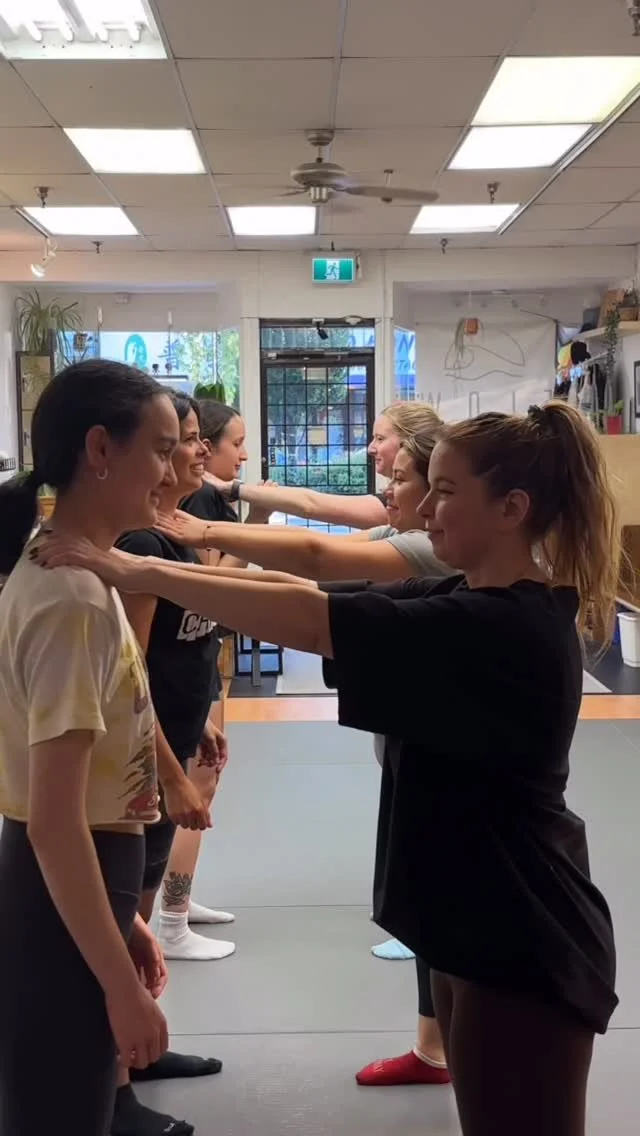
Voice work — using a strong, clear "no," practicing it out loud, repeatedly, until it stops feeling awkward
Body language coaching — posture, eye contact, taking up space, because predators disproportionately target people who read as an easy target
Decision drills — practicing the pause where a girl decides this doesn't feel right and acts on it, before anything physical happens
A program that skips this and goes straight to "here's how you break a grab" is only addressing the last 5% of the problem. If Maya had rehearsed that "no" out loud even once, in a room where it was met with respect instead of eye-rolling, that night might have gone differently.
The stakes get higher when she leaves home
The skills built in the training room get tested hardest in the years right after — moving away for college, travelling for the first time, starting a new job in a new city. Suddenly, she's navigating parties, roommates, dorms, hostels, and new social circles without the built-in safety net of people who've known her for years.
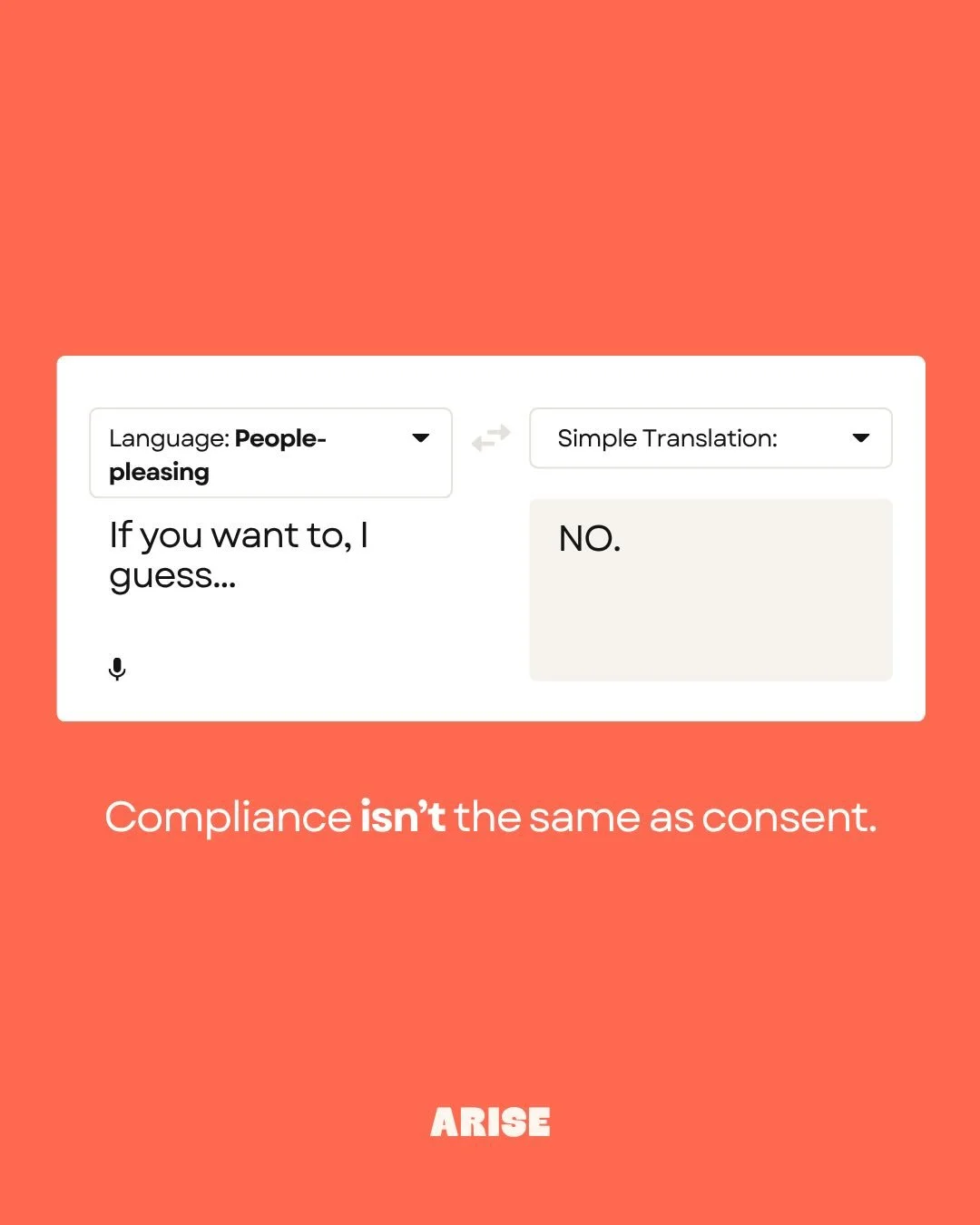
This is often when the want to fit in instinct is strongest, and it's exactly when the ability to communicate clearly and hold a boundary matters most. A young woman who hasn't practiced saying "I'm not comfortable with that" out loud will struggle to say it for the first time in a room full of strangers, three drinks into a party, worried about seeming uptight or difficult. She'll default to going along with it — not because she doesn't know better, but because she's never rehearsed doing otherwise.
This is exactly why boundary-setting can't be an abstract concept taught once and left there. It has to be practiced enough in the teenage years that it's already automatic by the time she's standing in a hostel common room or a college dorm, deciding whether to speak up.
Techniques need to be built for a 14-year-old's body, not a grown man's
Age-appropriate doesn't mean watered-down — it means physically realistic. The best approach:
Uses gross motor skills — simple, big movements that survive an adrenaline dump, not fine-motor techniques that vanish under stress
Relies on leverage over strength, so size and power differences stop mattering. This is where a Brazilian Jiu-Jitsu foundation earns its place: BJJ was built specifically around smaller people controlling bigger ones through positioning, not force
Is drilled to the point of muscle memory, not just demonstrated once and forgotten
What this looks like in practice: Arise Self-Defense
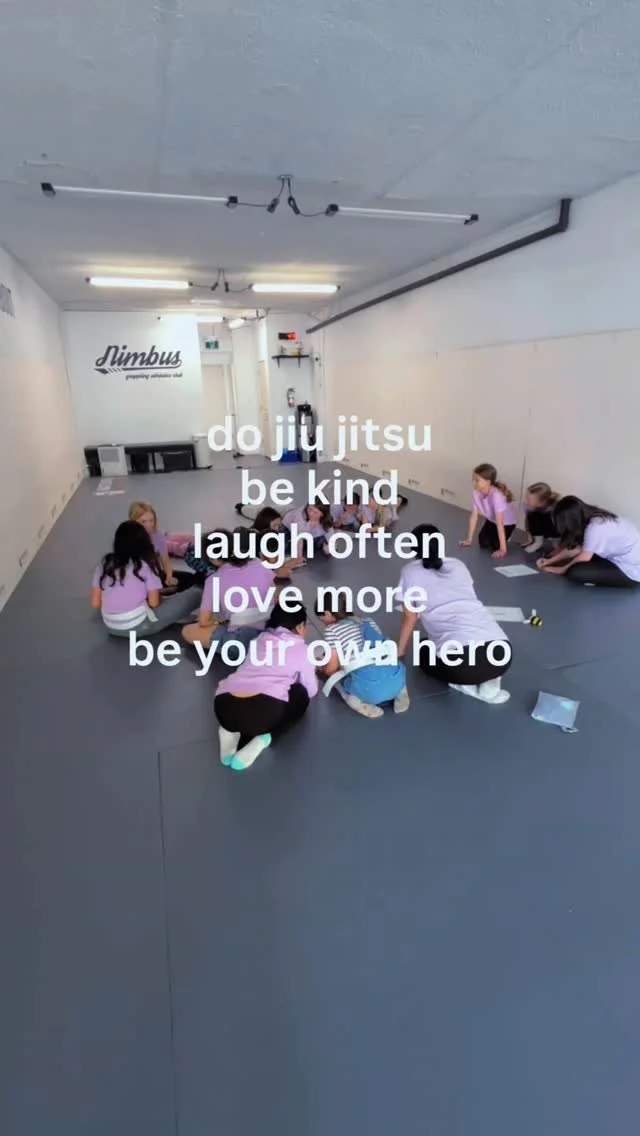
This is the model Arise was built around. Classes combine three layers that are usually taught separately, if at all:
BJJ fundamentals — leverage-based techniques that work regardless of size
Mindset coaching — rooted in counselling and education training, not just martial arts credentials, so the confidence-building is led by someone qualified to hold that space
Boundary-setting practice — verbal and physical, rehearsed out loud, so it's available under stress instead of just understood intellectually
Girls like Maya don't need a program that promises they'll win a fight. They need one that makes that tight, uneasy feeling something they trust and act on immediately — not something they swallow and apologize for. And when she's older, packing for college or her first solo trip, that same instinct is what keeps her safe when no one who loves her is in the room.
What to ask before enrolling your daughter
Is the instructor trained specifically in trauma-informed teaching, not just self-defense or martial arts technique?
Does the curriculum include verbal boundary-setting and confidence work, or only physical technique?
Are techniques based on leverage, so they work regardless of her size against a larger attacker?
What happens in class if a student discloses something difficult?
Does the studio have a thriving female population, or will she be one of the only girls in the room? Training alongside other girls and women changes what feels possible — it's harder to believe you belong somewhere you never see yourself reflected.
If a program can answer all five clearly, it's built for what teenage girls actually need — not just what looks good in a promotional video.
Arise Self-Defense offers empowerment self-defense programs for women and teens, kids, schools, and workplaces across Metro Vancouver. Our work begins long before any physical technique — with voice, boundaries, and the knowledge that safety starts with you.