Empower & Arise
Self-defense is more than knowing a few kicks or punches, it involves one’s mind, body, and spirit. We’re here to share practical research, resources, and tips for anyone wanting to live a safe and confident life for themselves and their loved ones.

6 Common Concerns for Parents of Preteens (and Why Be Your Own Hero is For You)
When parents ask me about Be Your Own Hero, they don't always start with "self-defense." They start with what actually keeps them up at night. Let me walk you through the parent concerns I hear most often, and how we address each one.

The Self-Defense BookClub: Meditations on Violence by Rory Miller
Most self-defense programs get it wrong for women. In our Self-Defense Book Club discussion of Meditations on Violence by Rory Miller, we explore the frameworks that actually change how you think about defense, permission, and freedom.
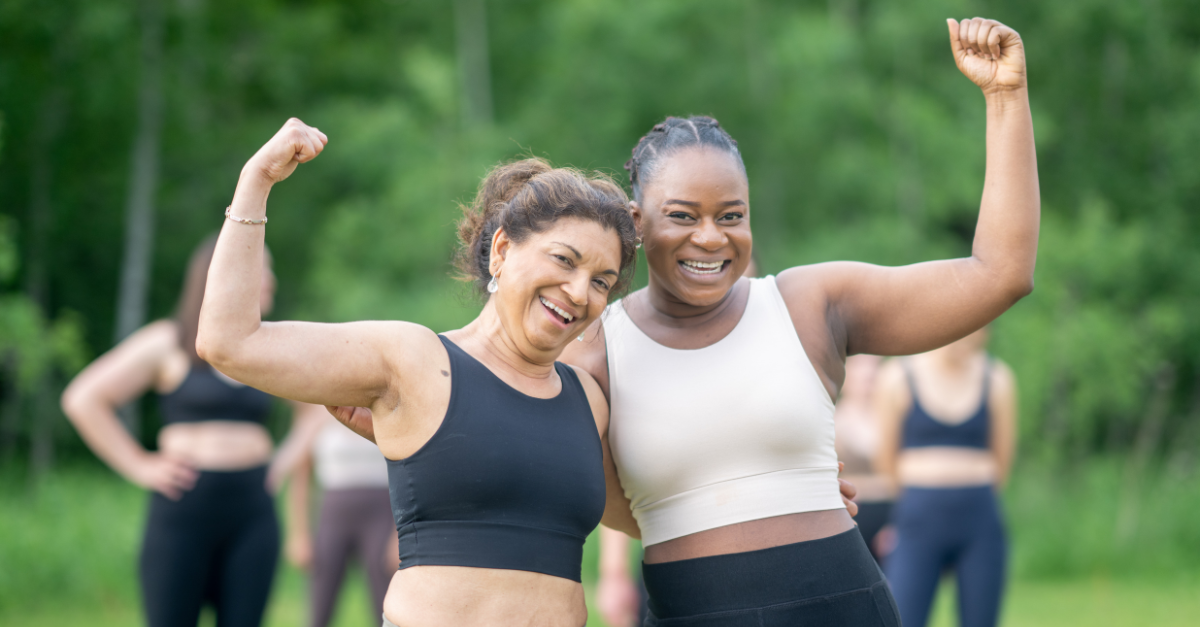
Debunking the 5 Most Impactful Self-Defense Myths (+ 1 Bonus)
Most self-defense advice starts from the wrong assumption — that the goal is fearlessness, and that freezing means failure. Here are the six myths that quietly stop women from ever starting, and the truth about your nervous system underneath each one.

Is Arise Inclusive of LGBTQ2+ Students?
"Short answer: yes. Longer answer: here's exactly what inclusion looks like across every Arise program, and why it's a practice we're always working on, not a box we checked once."

What "Trauma-Informed" Actually Means in a Self-Defense Class
"'Trauma-informed' gets used everywhere these days, often without much explanation of what it actually changes about how a class is run. Here's what it actually looks like in practice, and why it matters more in self-defense than almost any other kind of training."
How to Teach Kids to Set Boundaries (Without Making Them Scared)
"A question we hear from almost every parent before their kid's first class, even if they don't say it outright: will this scare her? Here's the real difference between fear-based safety talk and genuine boundary-setting, and how Be Your Own Hero builds the latter through play, not warnings."
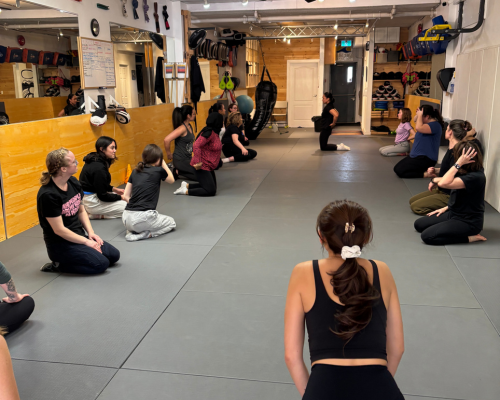
What to Expect at Your First Arise Self-Defense Class
"If you've been putting off signing up because you're not sure what you're walking into, you're not alone. Here's exactly what a first class looks like, so the only thing left to figure out is showing up."

How to Choose the Best Self-Defense Class for Beginners
"Searching 'self-defense classes near me' turns up dozens of options that all look the same from the outside. Here's what actually separates a class worth your time, from trauma-informed instruction to live training versus choreographed drills."
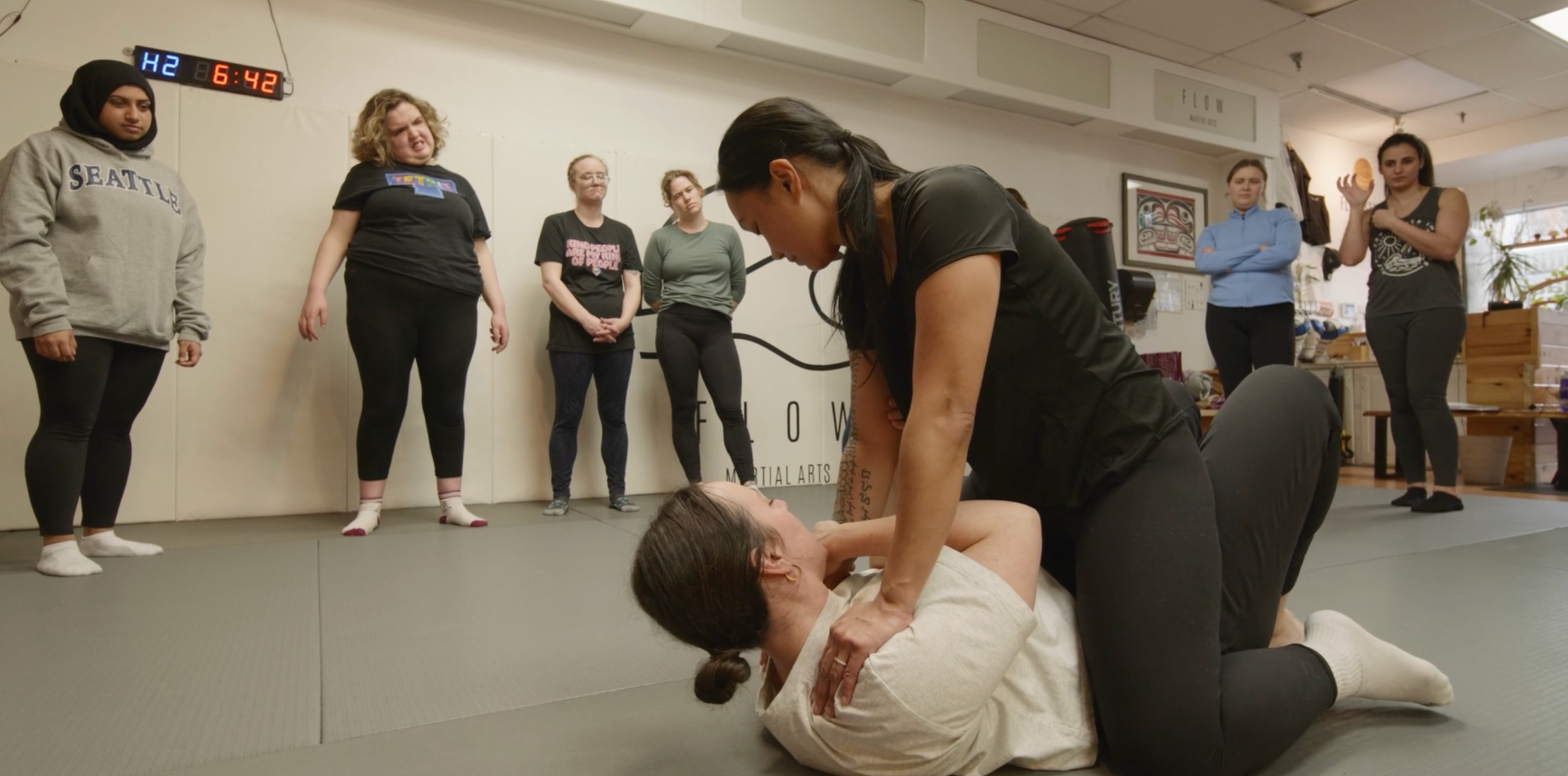
Is Brazilian Jiu-Jitsu Good for Self-Defense?
“It's the question we get asked more than almost any other: does this actually work? Here's the honest answer — why BJJ is built for exactly the situations self-defense scenarios tend to be, and why physical technique is only one piece of the picture."

Cultivate confidence.
Get in touch to learn more.