Is Brazilian Jiu-Jitsu Good for Self-Defense?
It's the question we get asked more than almost any other, usually by someone who’s never taken a class but has seen all the trendy reels on social media: does this actually work?
Fair question. Here's the honest answer: yes, BJJ is one of the most practical foundations for self-defense that exists, but not for the reason most people expect, and not on its own.
Why BJJ specifically?
Many self-defense situations that involve physical contact don't stay standing. Whether someone grabs you, pushes you, or tries to pin you down, you're far more likely to end up close, off-balance, or on the ground than in a clean, standing striking match. Brazilian Jiu-Jitsu is built almost entirely around that reality. It teaches you how to survive and escape from disadvantageous positions, how to use leverage instead of strength, and how to create space and get back to safety, rather than "win a fight."
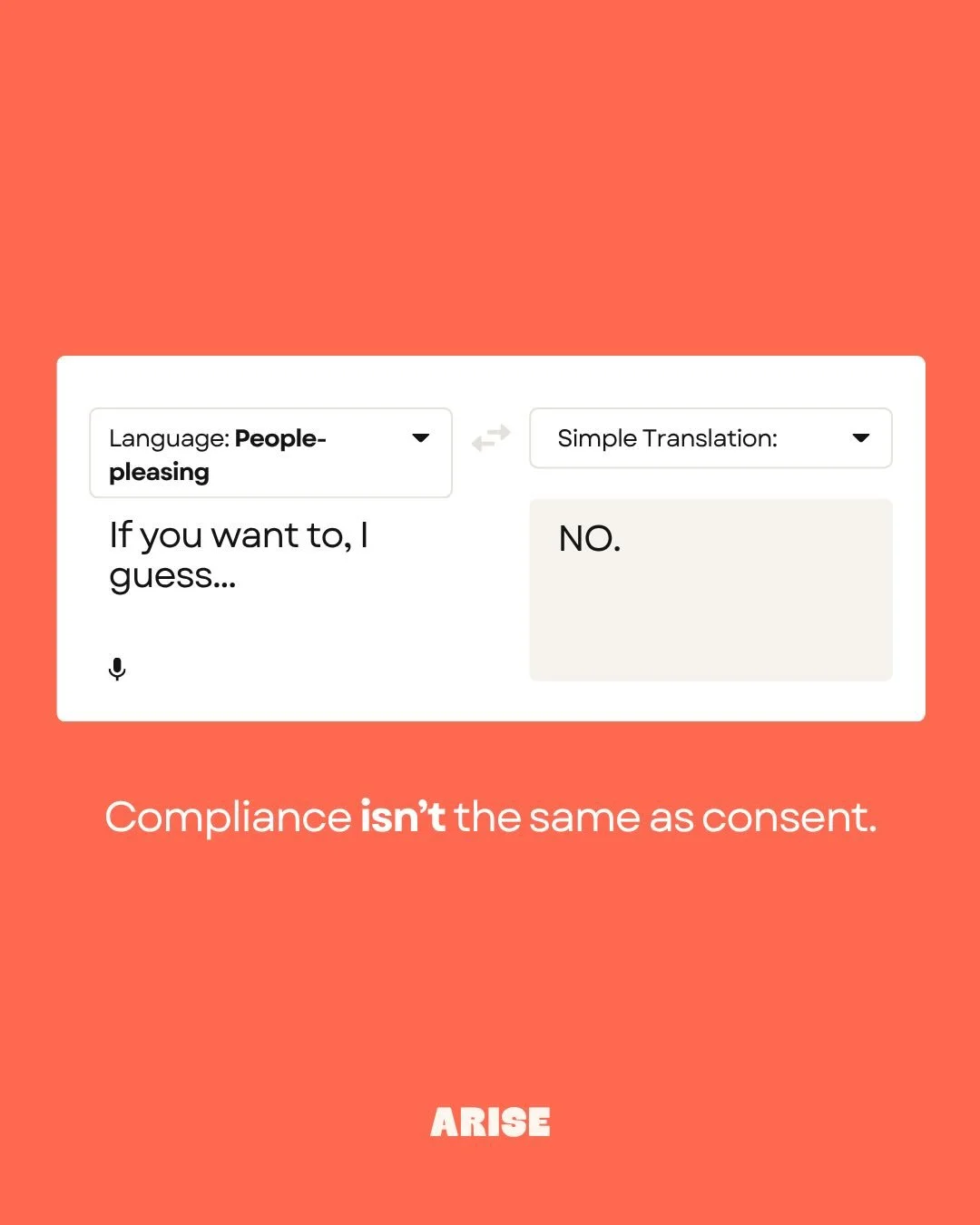
That last part matters more than people realize. A lot of traditional martial arts are taught and drilled compliantly: your partner attacks in a scripted way, you respond in a scripted way, and it looks great until someone resists for real. BJJ is trained live. You're regularly rolling with a partner who is actually trying to control you and actually trying to escape. That means the techniques you learn get tested constantly, not just practiced. You find out quickly what actually works when someone doesn't cooperate.
But BJJ alone isn't self-defense
Here's the part that often gets left out of this conversation: technique is the last layer, not the first.
At Arise, we teach self-defense through the Empowerment Self-Defense (ESD) framework: Think, Yell, Run, Fight, Tell. Physical technique, the "Fight" part, is one piece of a much bigger picture that starts with awareness, boundary-setting, and using your voice. Most situations are diffused long before anyone needs to use a physical technique. The goal was never to turn you into someone who wins fights. It's to help you trust your instincts, recognize risk earlier, set boundaries clearly, and know you have real options if things do turn physical.
That's also why size and strength differences come up so often in this conversation, and why they matter less than people assume. BJJ's entire premise is that a smaller, weaker person can control or escape from a bigger, stronger one through leverage and positioning rather than power. It's not magic, and it's not effortless, but it's the martial art most specifically designed to work in the size- and strength-mismatched situations that self-defense scenarios actually tend to be.
What this looks like in an Arise class
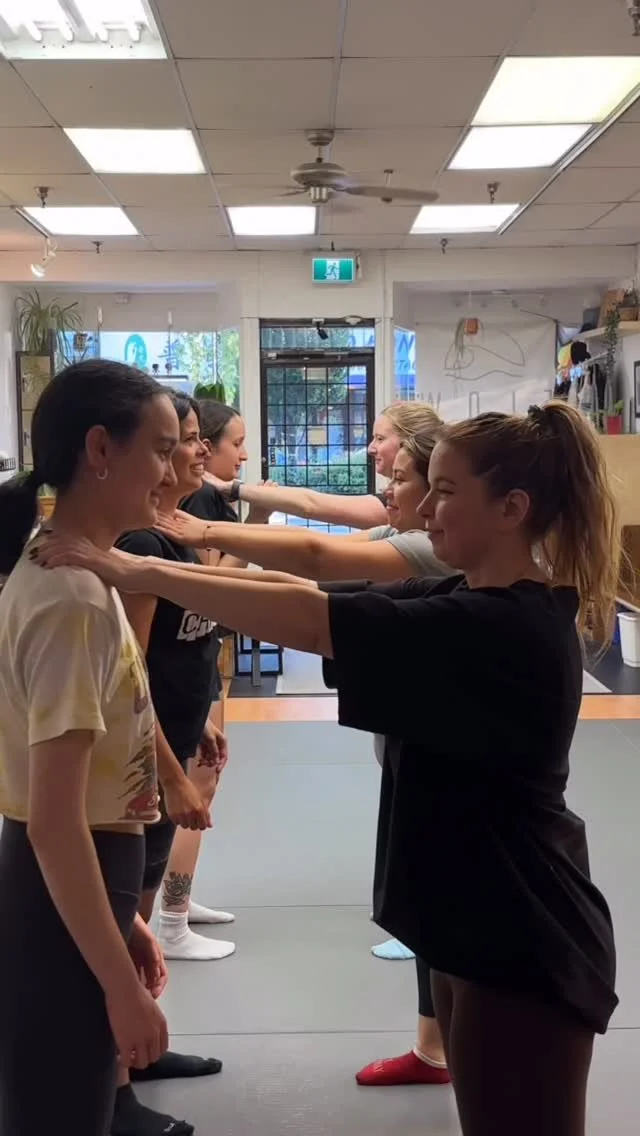
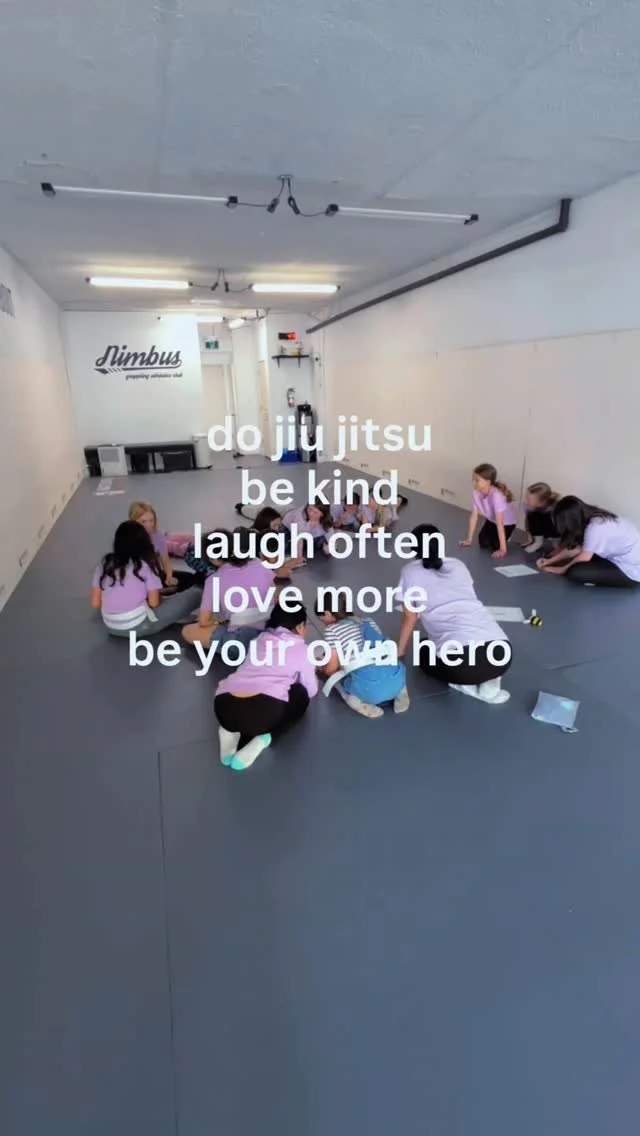
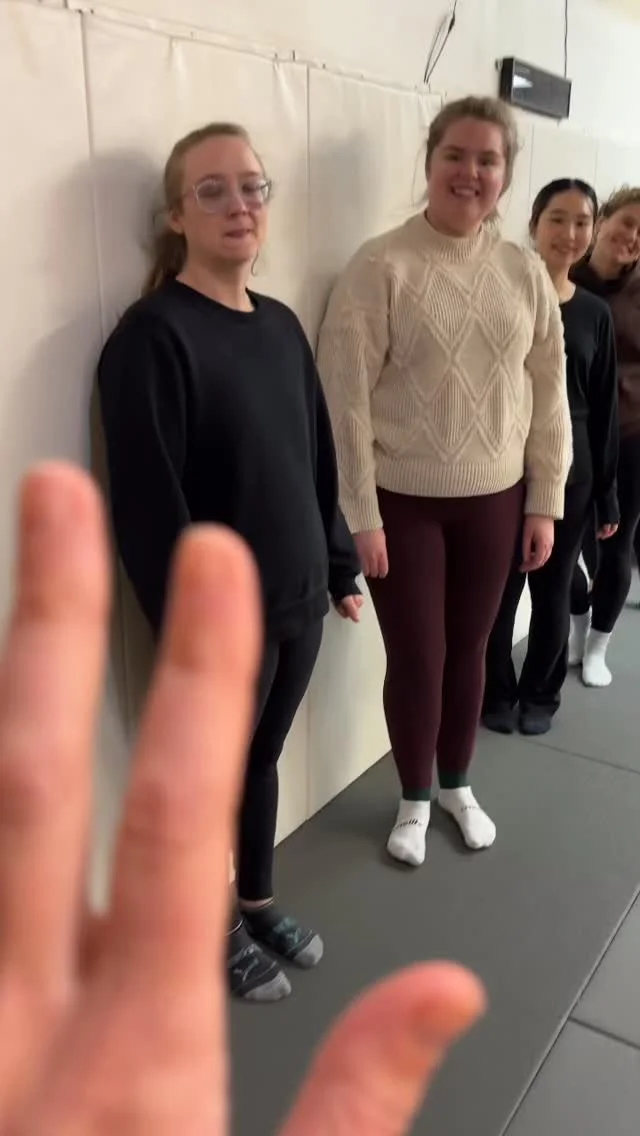
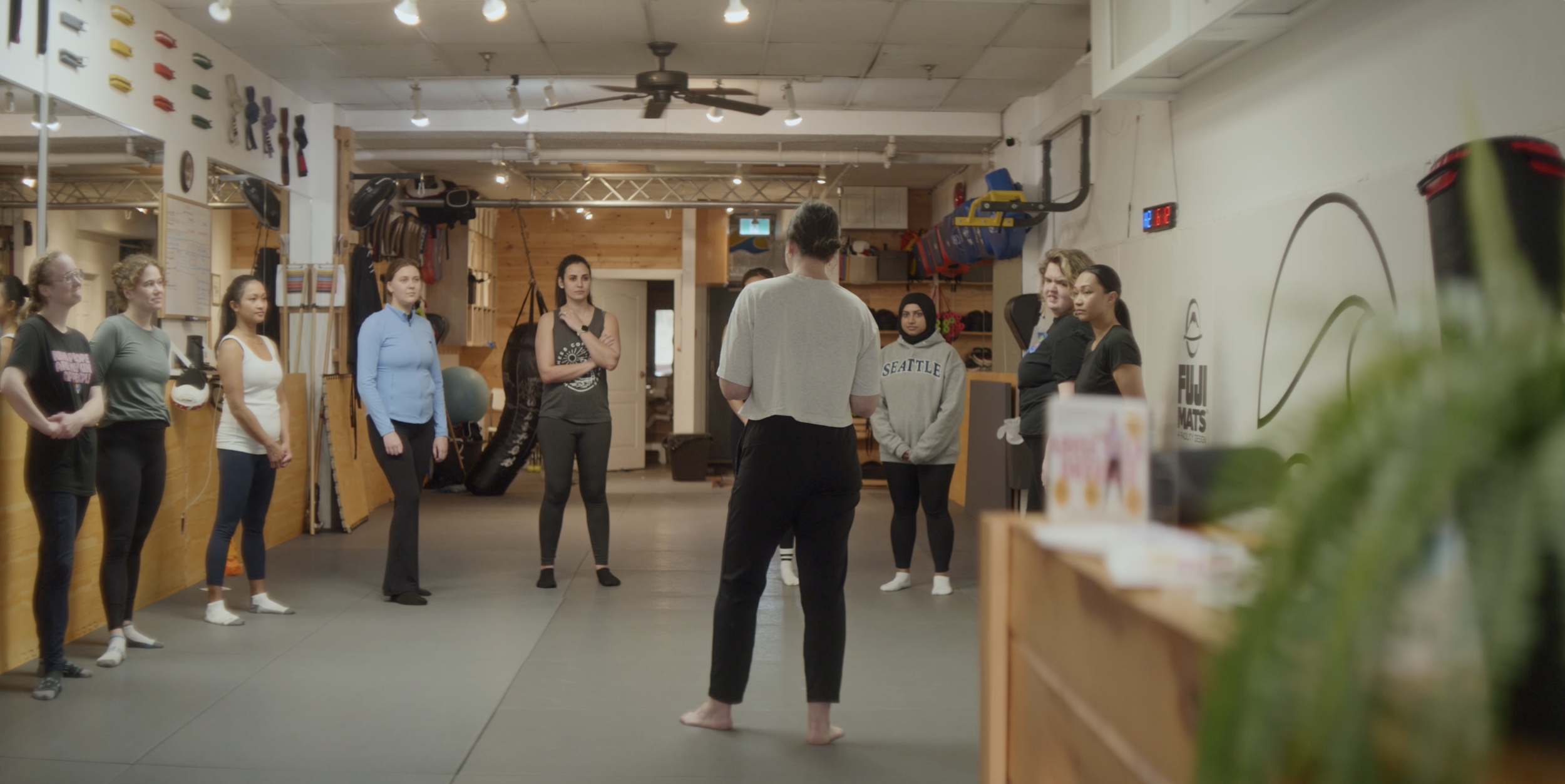
Our classes blend BJJ-based physical technique with mindset training and group discussion, always trauma-informed, always beginner-friendly. You don't need any prior experience or fitness level to start. Most people who walk in nervous on their first Friday are, within a few weeks, surprised by how much of this is about confidence and clarity rather than raw physical power.
If you've been wondering whether this kind of training is "real" self-defense or just a workout with a self-defense label on it, hopefully this answers it: it's real, it's tested, and it's built specifically for the situations self-defense is actually about.
Curious what a class actually looks like? Check out the video below. Then join us for a weekly class or take our free confidence quiz to find the right starting point.
Arise Self-Defense offers empowerment self-defense programs for women and teens, kids, schools, and workplaces across Metro Vancouver. Our work begins long before any physical technique — with voice, boundaries, and the knowledge that safety starts with you.