How to Choose the Best Self-Defense Class for Beginners
Searching "self-defense classes near me" turns up a lot of options, and from the outside, most of them look basically the same: a studio, some pictures of people in stances, a promise that you'll feel more confident. So how do you actually tell which one is worth your time, especially if you've never done anything like this before?
Here's what to actually look for.
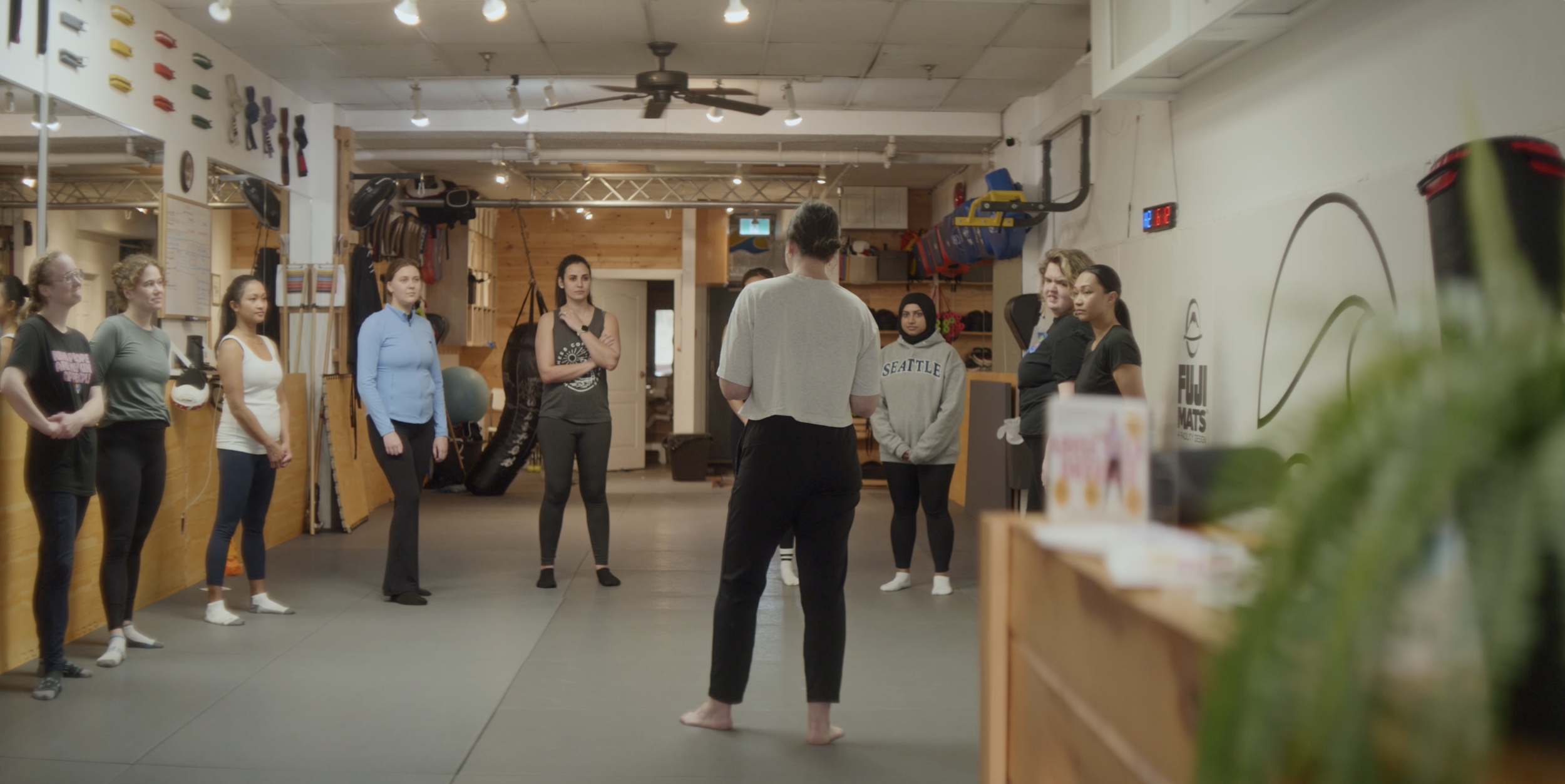
It should be beginner-friendly, for real
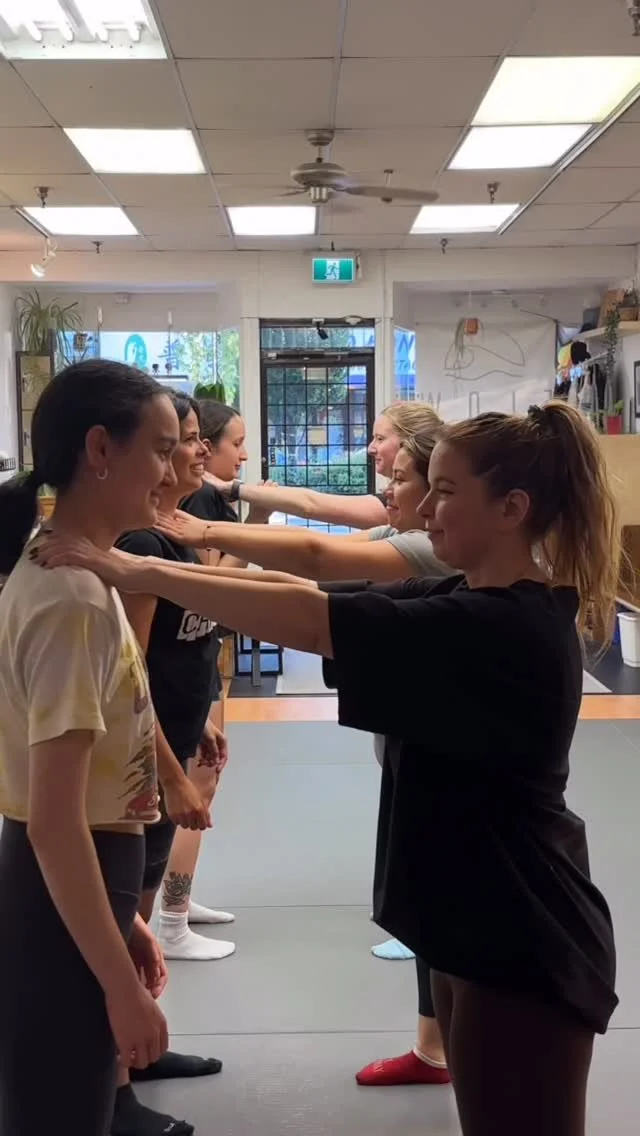
Not "beginner-friendly" in the fine print while everyone else in the room has three years of training. A genuinely beginner-friendly class doesn't assume any prior fitness level or experience, and the instructor adjusts pace and technique so a first-timer and a returning student can be in the same room without either one being bored or overwhelmed. If a studio can't clearly explain how they handle mixed experience levels, that's worth asking about directly.
It should be trauma-informed
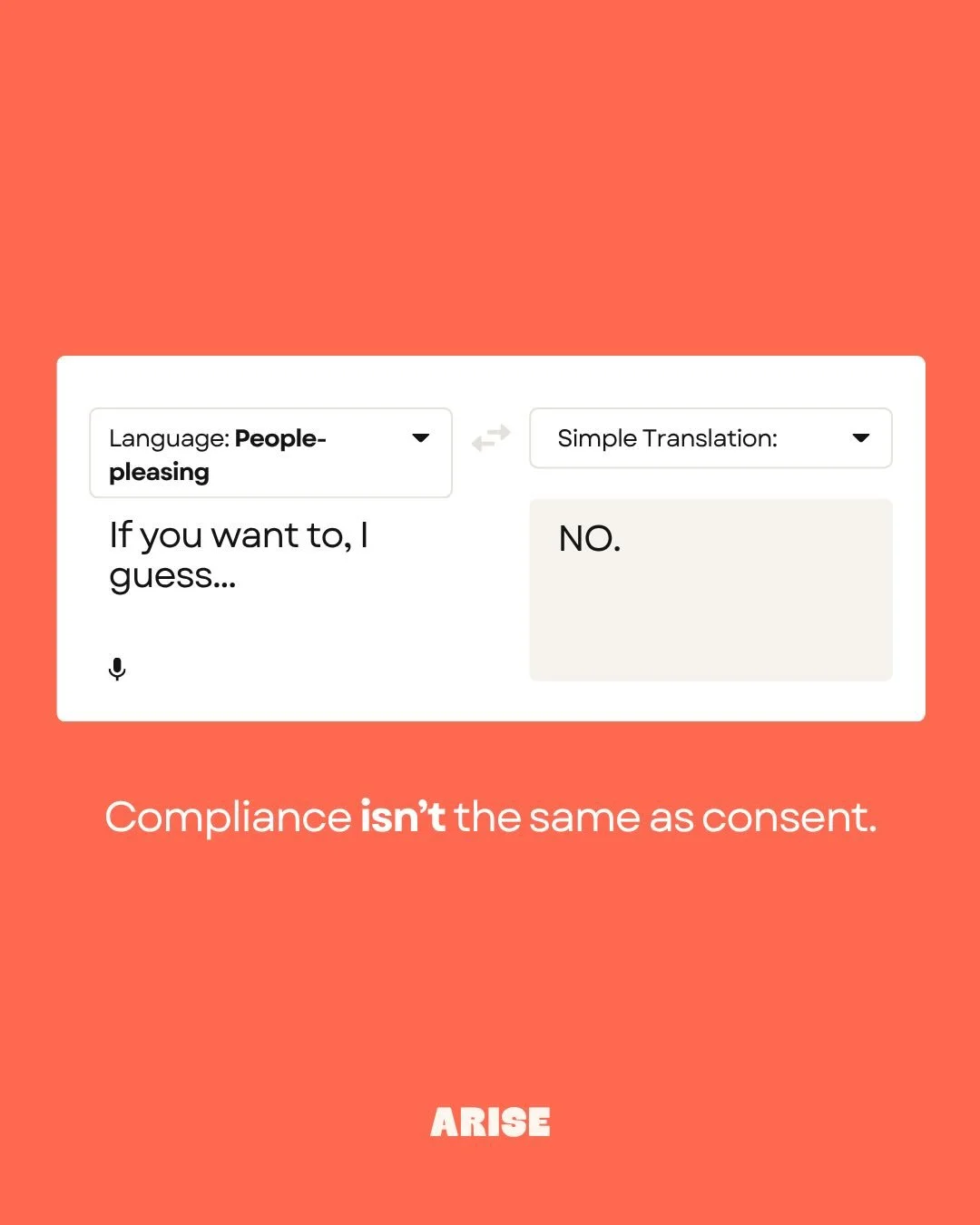
This one gets used as a buzzword a lot, so it's worth knowing what it actually looks like in practice: instructors who explain what's coming before it happens, techniques that are opt-in rather than forced, a class that checks in on how people are doing rather than just running through a curriculum, and an environment where saying "I need a minute" is completely normal. Self-defense training touches real fear and real experiences for a lot of people. A class that doesn't account for that isn't just less comfortable, it can actually work against the confidence it's supposed to build.
It should go beyond physical technique
Watch out for classes that are 100% physical drills with no discussion of awareness, boundaries, or verbal de-escalation. Most real-world situations are prevented or de-escalated before anything physical happens, so a class that only teaches you what to do once things are already physical is only giving you part of the picture. Look for programs built around a fuller framework (ours is Think, Yell, Run, Fight, Tell) that treats physical technique as one tool, not the whole toolbox.
It should train live, not just choreographed
There's a real difference between a class where you and a partner run through a scripted sequence every time, and one where you occasionally get to try a technique against someone who's actually resisting. You don't need to spar hard on day one, but a program that never lets you test anything against real resistance is teaching you moves you've never actually had to use.
It should feel like a community, not a transaction
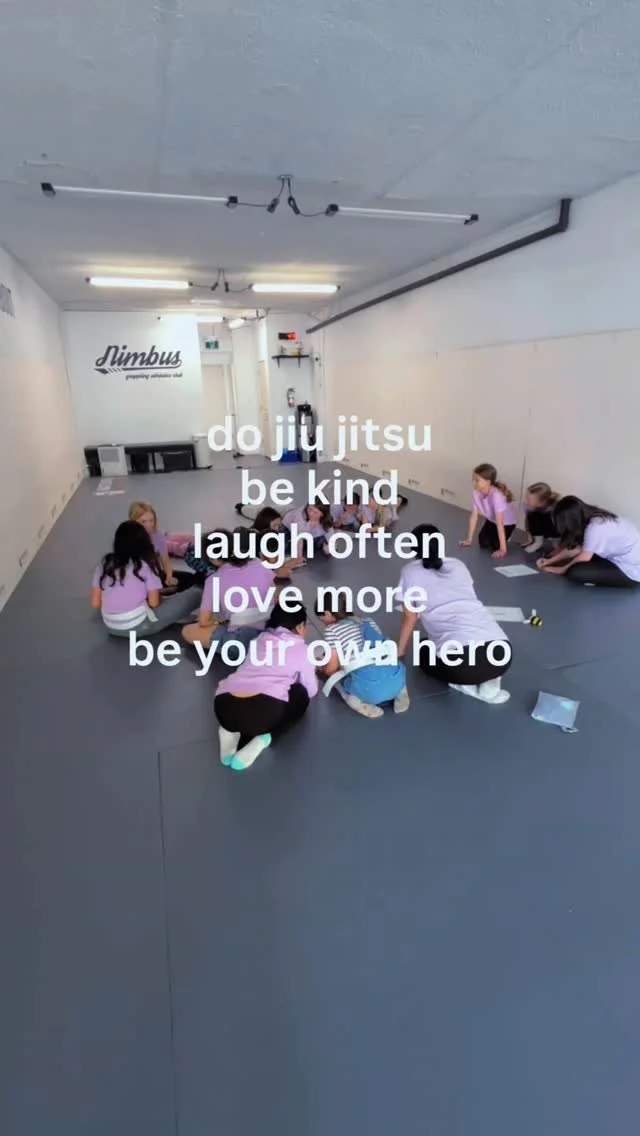
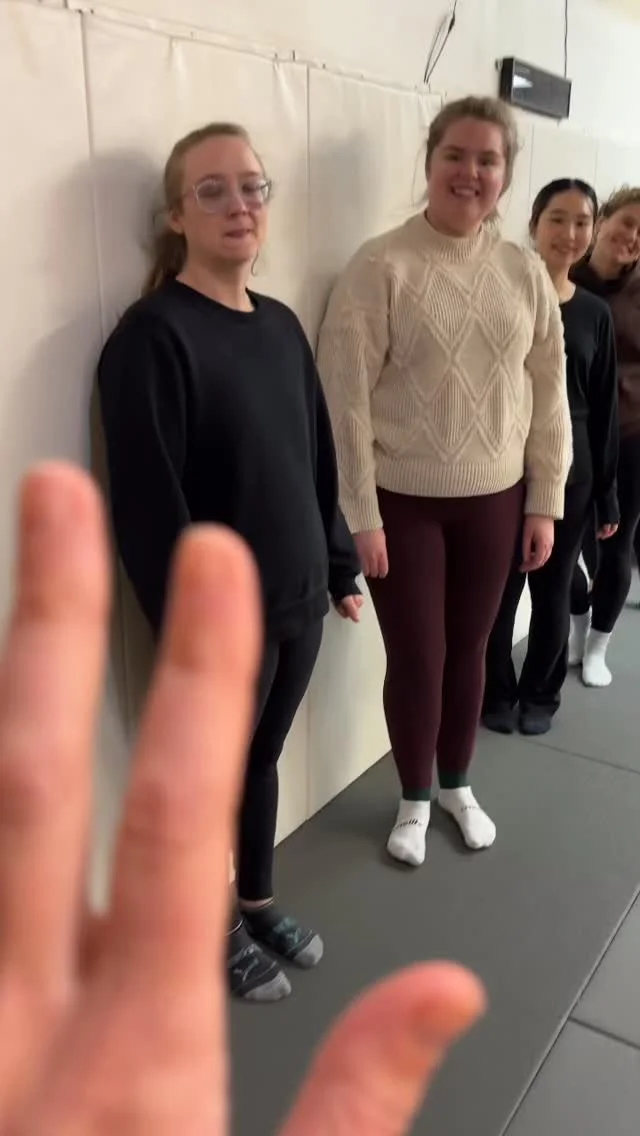
This is easy to underestimate before you start and impossible to overstate once you have. The people who stick with self-defense training long enough to actually build confidence are almost always the ones who found a group they wanted to keep coming back to, not just a service they paid for. Ask about the vibe. Can you drop in and watch a class first? Do people seem to know each other?
It should be upfront about instructor credentials
Who's actually teaching you, and what's their background? Certified instructors, backgrounds in education or trauma-informed practice, and real experience (not just a black belt, but experience actually teaching self-defense specifically) all matter. Don't be afraid to ask directly.
What this looks like at Arise
Our weekly classes are built around all of the above: no experience required, trauma-informed by design, blending Brazilian Jiu-Jitsu-based technique with mindset training and group discussion, open to women, femme, and gender non-conforming adults and teens. You can drop in for a single class or commit to the rolling 10-week cycle, and you're never the only beginner in the room.
Not sure which format is right for you? Take our free confidence quiz or come see for yourself at a weekly class.
Arise Self-Defense offers empowerment self-defense programs for women and teens, kids, schools, and workplaces across Metro Vancouver. Our work begins long before any physical technique — with voice, boundaries, and the knowledge that safety starts with you.