What to Expect at Your First Arise Self-Defense Class
If you've been putting off signing up for a first class because you're not sure what you're walking into, you're not alone. It's one of the most common things we hear, and honestly, one of the most common reasons people wait months (or years) longer than they need to. Here's exactly what to expect, so the only thing left to figure out is showing up.
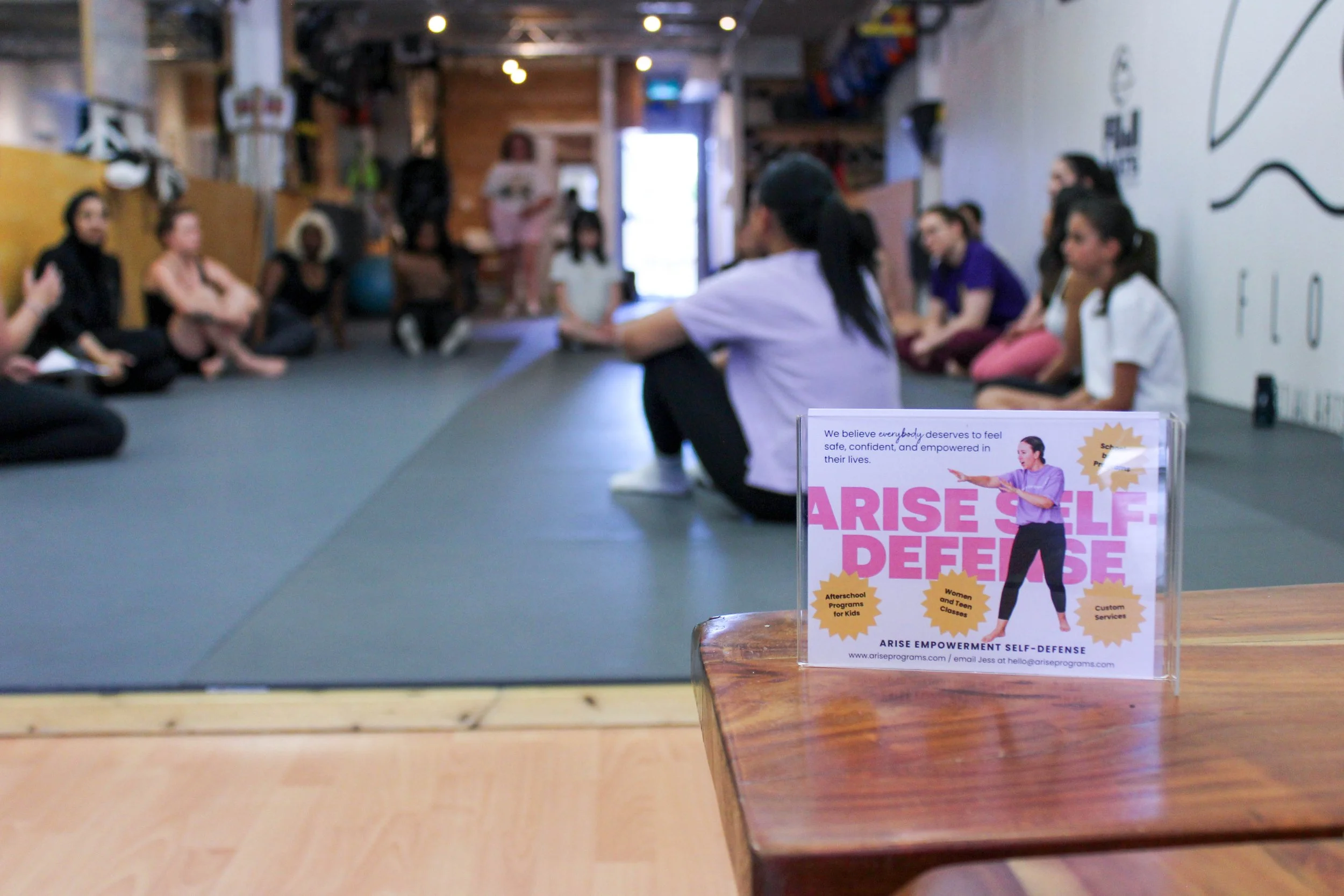
You don't need any experience
Truly. Most people in the room on any given Friday have never done anything like this before, and the class is built for that. There's no "catching up" required and no assumption that you already know what you're doing.
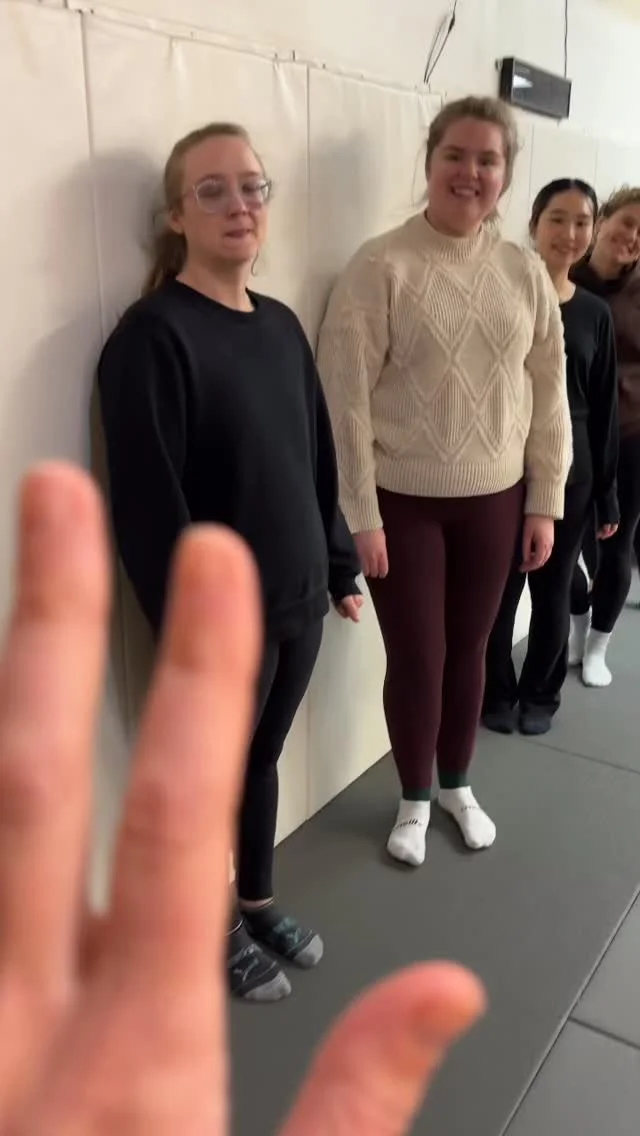
We have participants ranging from 13 to 63, and everything in between, so you’ll fit right in.
You don't need to come with anyone
A lot of people wait until they can convince a friend to come with them. While we get it that most things are better with friends, you don't have to. Plenty of people come solo and feel completely at home within the first few minutes. Everyone's there for a similar reason, and the group tends to make space for that quickly.
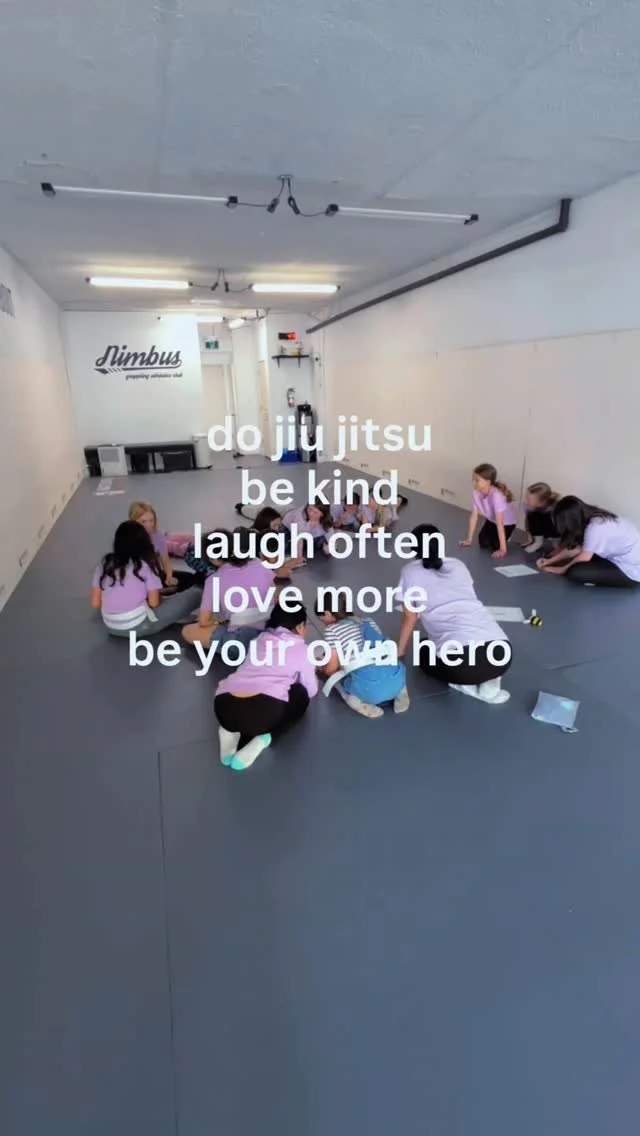
We start each class with a circle of introductions, and for brand new people, Jess provides a short explanation of what to expect so you have chance to ask any questions or share anything you think is important for us to know.
It's not just physical drills
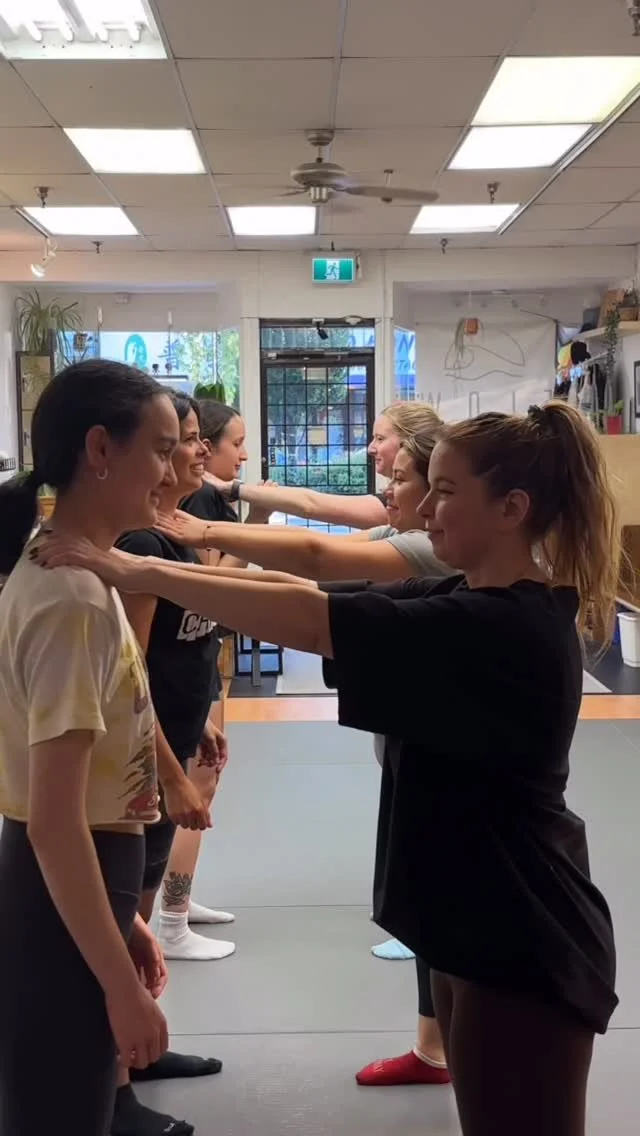
A class blends movement, discussion, and Brazilian Jiu-Jitsu-based technique. Expect some conversation, expect to hear from other people in the room, and expect the class to spend time on things like boundaries and confidence, not just physical moves. It's less like a fitness class and more like a mix of movement and community, with Brazilian Jiu-Jitsu based self-defense skill built in.
Nobody is going to push you past what you're comfortable with
Instructors check in. Techniques are opt-in. If something doesn't feel right for you that day, you're not required to push through it. This is trauma-informed training, which in practice means the pace and intensity adjust to the room, not the other way around.
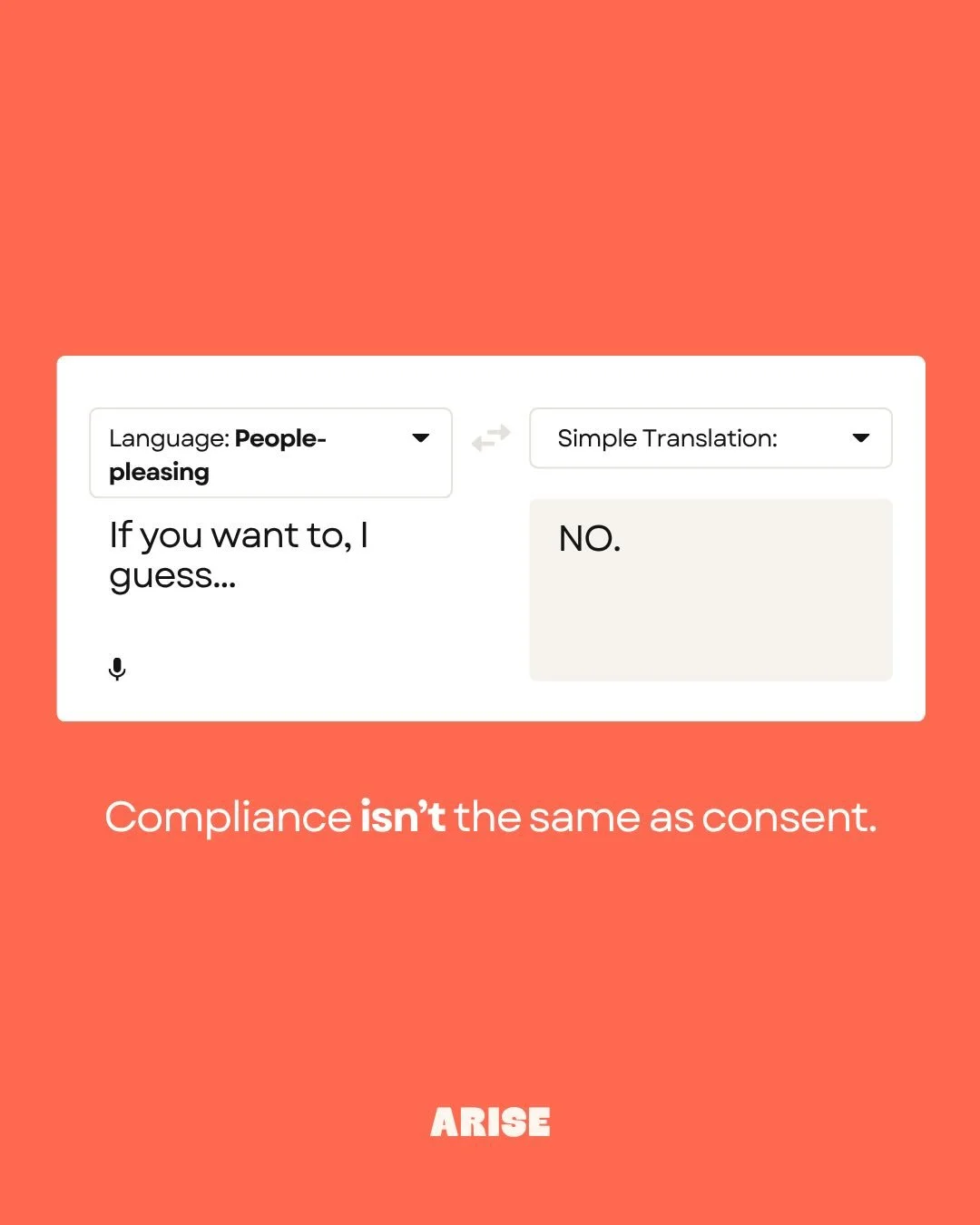
There’s a time and a place for testing skills and working with adrenaline, but that is something layered in carefully and with participant consent. We often say that saying “no” in these classes is the first step to saying “no” and setting boundaries outside of it.
What to bring
Comfortable clothes you can move in, a water bottle, and yourself. You don't need any equipment to start.
What it actually feels like
Most first-timers describe a mix of nerves beforehand and surprise afterward, usually surprise at how welcoming it was, and how much more approachable the physical side turned out to be than they expected. It's common to leave your first class already thinking about coming back the following week. We get a lot of “that was so fun!” comments.
Ready to try it?
Weekly classes run Friday nights on a rolling 10-week cycle, so you can start any time, no need to wait for a new session to begin. Drop-in spots are available if you're not ready to commit to our monthly membership, or you can purchase a full Transformation Package if you want to build toward your Arise Self-Defense certification.
Come see for yourself. Find a registration option that works for you, or if you're still deciding, take our free confidence quiz first.
Arise Self-Defense offers empowerment self-defense programs for women and teens, kids, schools, and workplaces across Metro Vancouver. Our work begins long before any physical technique — with voice, boundaries, and the knowledge that safety starts with you.