How to Teach Kids to Set Boundaries (Without Making Them Scared)
A question we hear from almost every parent before their kid's first class, even if they don't say it outright: will this scare her?
It's a fair worry. "Safety talk" can easily tip into fear-based messaging, stranger danger warnings, worst-case scenarios, a general sense that the world is dangerous and they need to be on guard. That's not what boundary-setting is supposed to feel like, and it's not what it looks like at Arise.
The difference between fear and awareness
Fear says: watch out, something bad could happen. Awareness says: you know your own instincts, and you're allowed to trust them.
That distinction matters more than it might seem. Kids who are taught to be afraid tend to freeze or over-comply when something actually feels off, because their nervous system has learned that the world is scary and they're small in it. Kids who are taught to tune into their own instincts and use their voice tend to do the opposite: they notice discomfort earlier, and they know what to do with it.
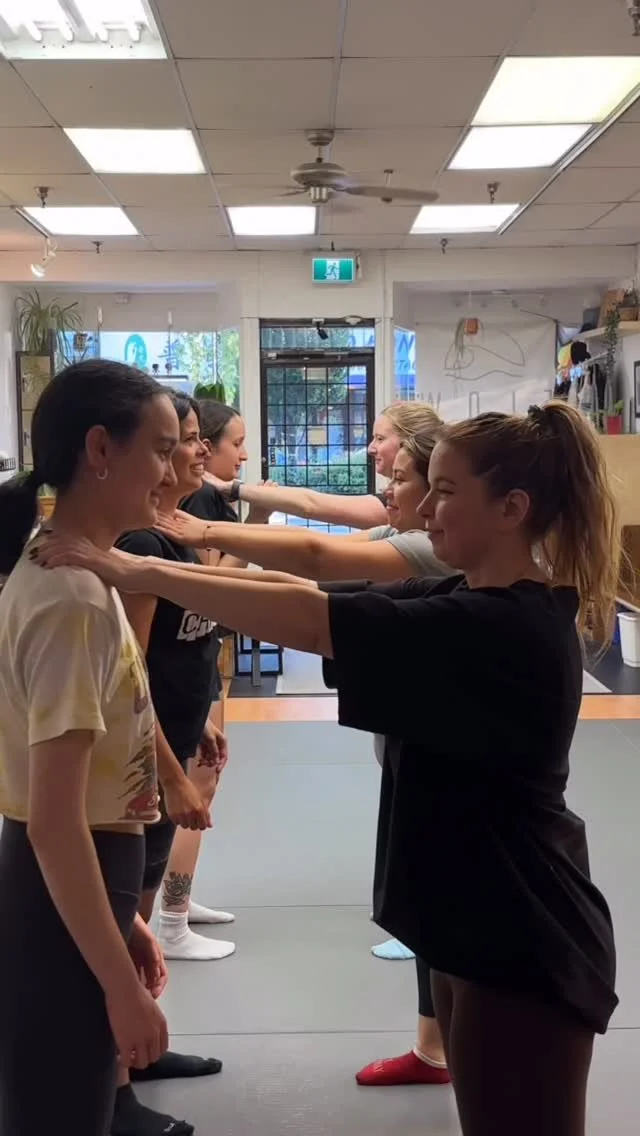
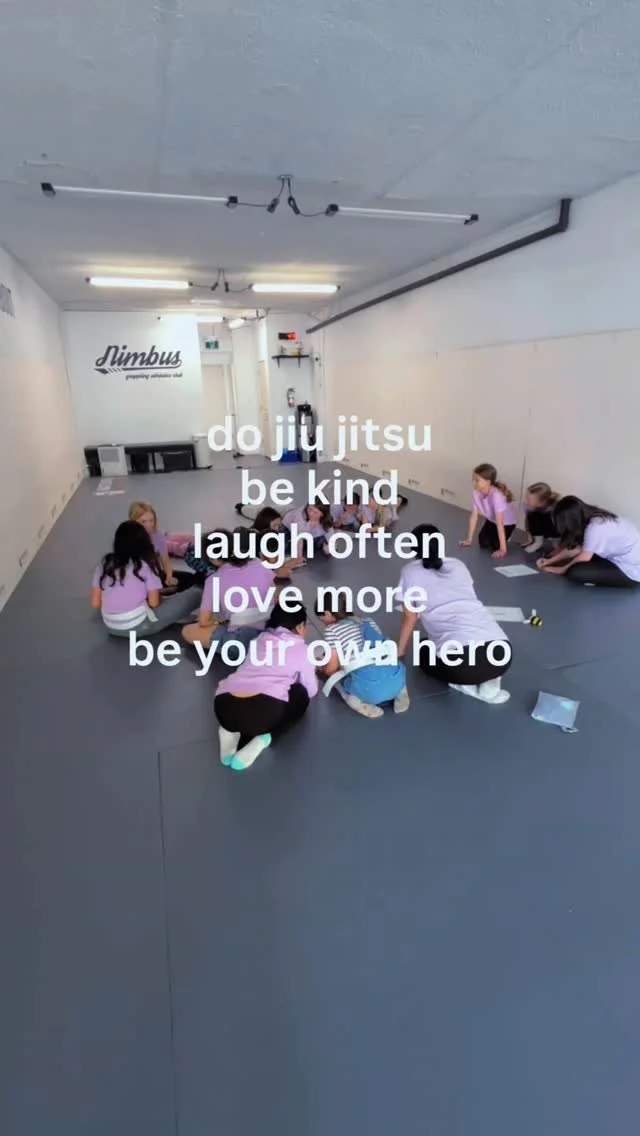
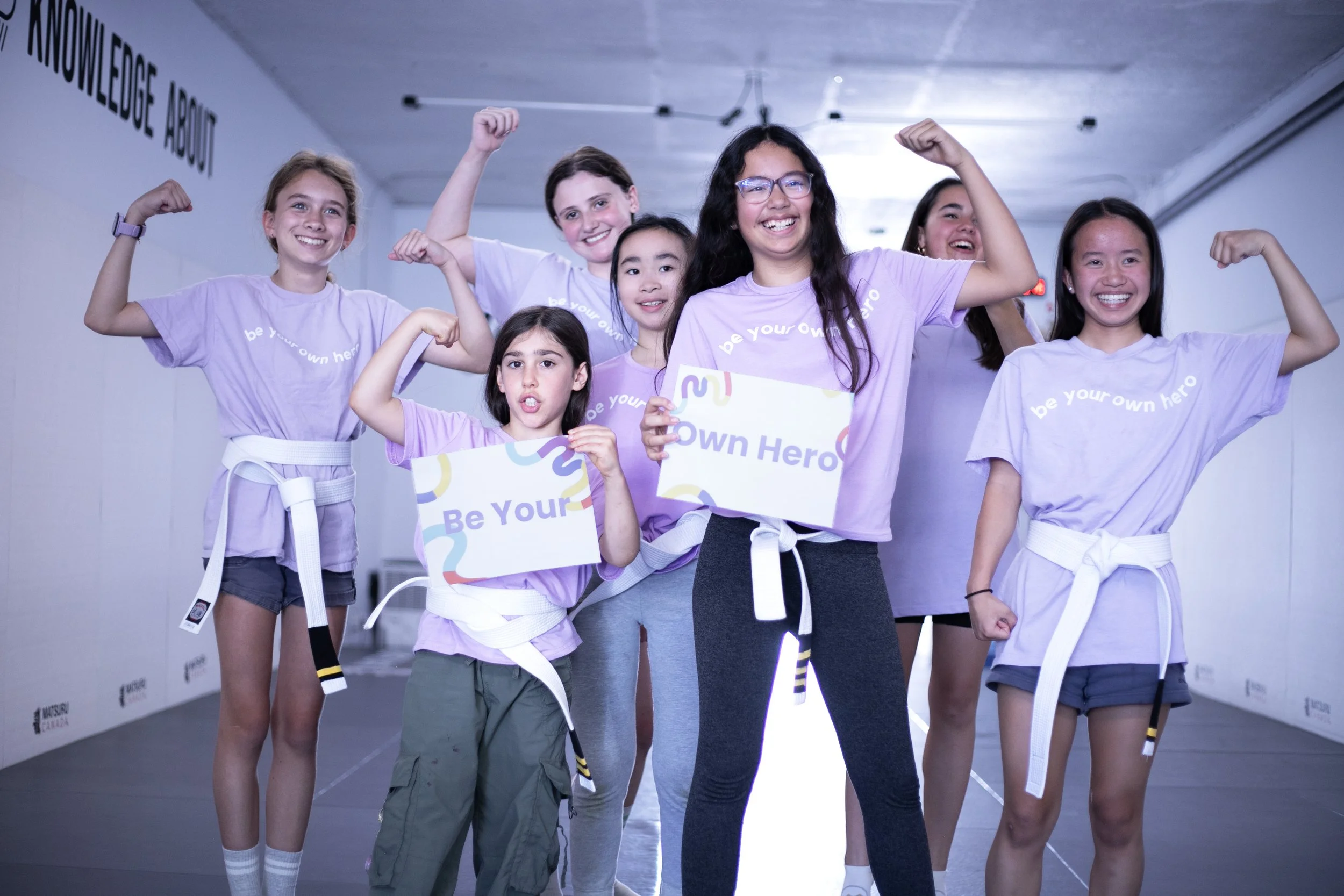
That's the whole foundation of Be Your Own Hero. It's not built around danger. It's built around using your voice, tuning into your instincts, moving with power, and building confidence and respect, through games, movement, and age-appropriate conversation, not lectures about the dangers of the world.
What this looks like in practice
Start with "no" in low-stakes moments. Boundary-setting is a skill, and like any skill, it gets built through repetition in situations that don't feel dangerous at all. Practicing saying "no thank you," "I don't want a hug right now," or "please stop" with a sibling, a tickle fight, or a game gives kids the muscle memory to do it when it actually counts.
Normalize the body's signals. Kids are often more in tune with when something feels off than adults give them credit for, they just haven't been taught that the feeling is worth listening to, or how to act on it. Simple language like "if your tummy feels funny about something, that's your body telling you something" goes a long way.
Let them say no to you, sometimes. It's uncomfortable, but if a child never gets to say no to an adult (even a trusted one, even about something small), they don't get practice trusting that their boundary will be respected. Letting a "no" stand, even over something as small as a tickle or a hug goodbye, teaches them their voice actually works.
Make it playful, not heavy. This is where a lot of well-meaning safety education goes wrong: it treats the topic with so much gravity that kids absorb the anxiety more than the skill. Movement, games, and group discussion (the actual format of a Be Your Own Hero class) let kids build real capability without it feeling like a warning.
You don't have to do this alone
This is exactly why Be Your Own Hero exists: so kids get to practice these skills in a supportive, playful group setting, guided by instructors trained specifically in trauma-informed, age-appropriate teaching, rather than parents having to figure out how to have "the safety talk" solo.
Curious if it's the right fit for your daughter? Take the free quiz or learn more about Be Your Own Hero.
Arise Self-Defense offers empowerment self-defense programs for women and teens, kids, schools, and workplaces across Metro Vancouver. Our work begins long before any physical technique — with voice, boundaries, and the knowledge that safety starts with you.