What "Trauma-Informed" Actually Means in a Self-Defense Class
"Trauma-informed" gets used a lot these days, on websites, in program descriptions, on intake forms, often without much explanation of what it actually changes about how a class is run. In self-defense specifically, that gap matters more than almost anywhere else, because this is a topic that touches real fear and, for a lot of people in the room, real past experience.
Here's what it actually looks like in practice, not just as a phrase on a website.

It's not a vibe, it's a set of concrete choices
A trauma-informed self-defense class makes different decisions than a standard one at almost every step:
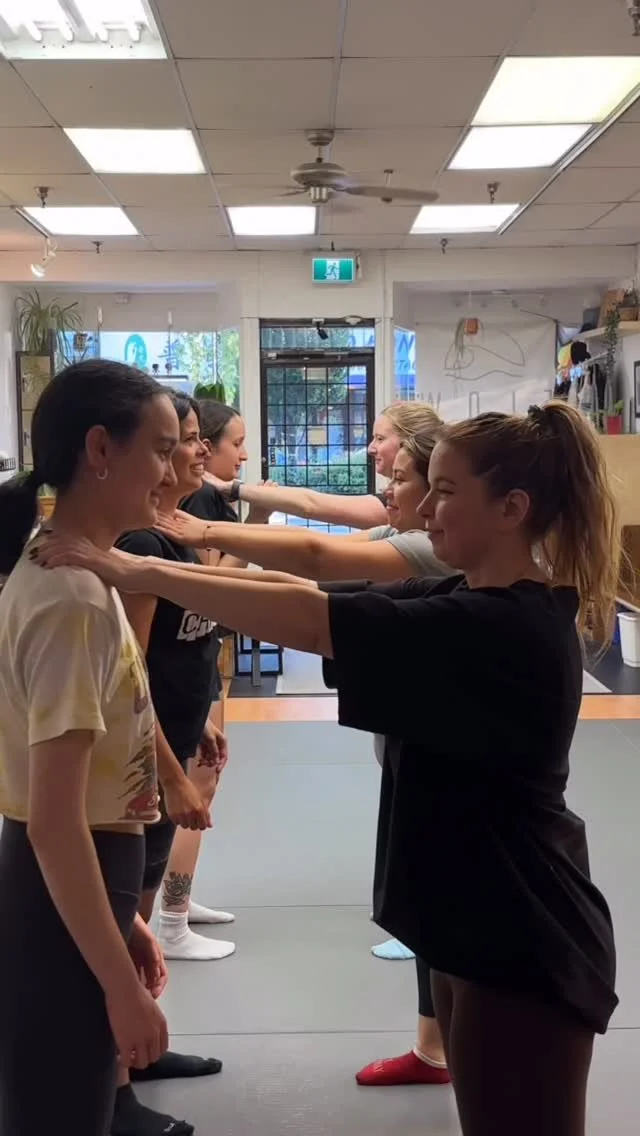
Techniques are opt-in, not mandatory. If a drill involves physical contact, grabbing, holding, being pinned, students are never forced into it. There's always a version that lets someone participate without doing the part that doesn't feel right that day, and no explanation required.
Instructors explain before they demonstrate. Nothing happens to a student's body without them knowing what's coming first. That sounds small, but for anyone whose nervous system is primed to expect the unexpected, it's the difference between a class that feels safe and one that doesn't.
The room checks in, regularly. Not just at the start of class. A trauma-informed instructor is watching for signs that someone's activated, overwhelmed, or checked out, and adjusts in the moment rather than pushing through a lesson plan regardless.
"I need a minute" is a completely normal thing to say. No explanation owed, no assumption that something's wrong with you for needing it.
The goal is never to "prove" a technique works by overpowering someone. Partner drills are collaborative, not competitive. Nobody is trying to make anyone feel small in order to make a teaching point.
Why this matters specifically in self-defense
Most fitness or skill-based classes don't touch anything close to what self-defense does. You're asking people to practice being grabbed, held, restrained, or approached in ways that can genuinely mirror real, painful experiences. A class that treats this like any other physical skill (just drill it until it's automatic) can end up doing real harm, retraumatizing rather than empowering, even while technically teaching correct technique.
A trauma-informed approach doesn't mean the training is soft or ineffective. If anything, it's the opposite: students who feel safe enough to actually be present in their body learn faster and retain more than students who are gritting through discomfort just to get through the drill.
What this looks like at Arise
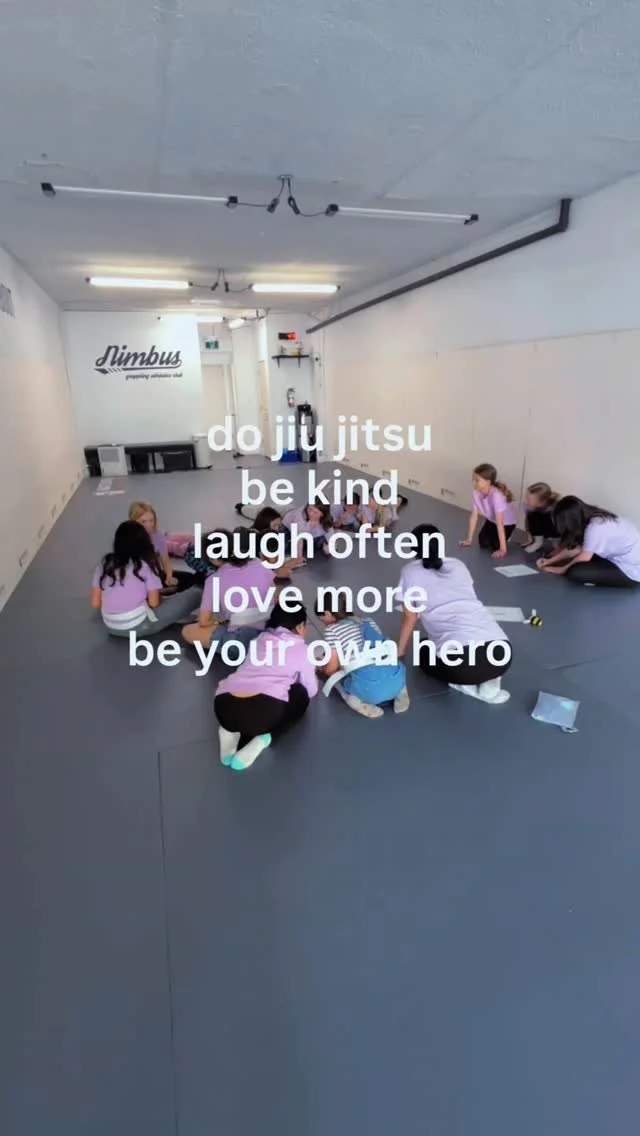
Every Arise program, from weekly classes to Be Your Own Hero to workshops and school programs, is designed through a trauma-informed lens. Instructors are trained specifically in this approach, not just in the physical technique. It's the reason people who've never felt comfortable in a typical martial arts or fitness setting often find, somewhat to their own surprise, that this is different.
Want to feel the difference for yourself? Join a weekly class or read more about our approach.
Arise Self-Defense offers empowerment self-defense programs for women and teens, kids, schools, and workplaces across Metro Vancouver. Our work begins long before any physical technique — with voice, boundaries, and the knowledge that safety starts with you.