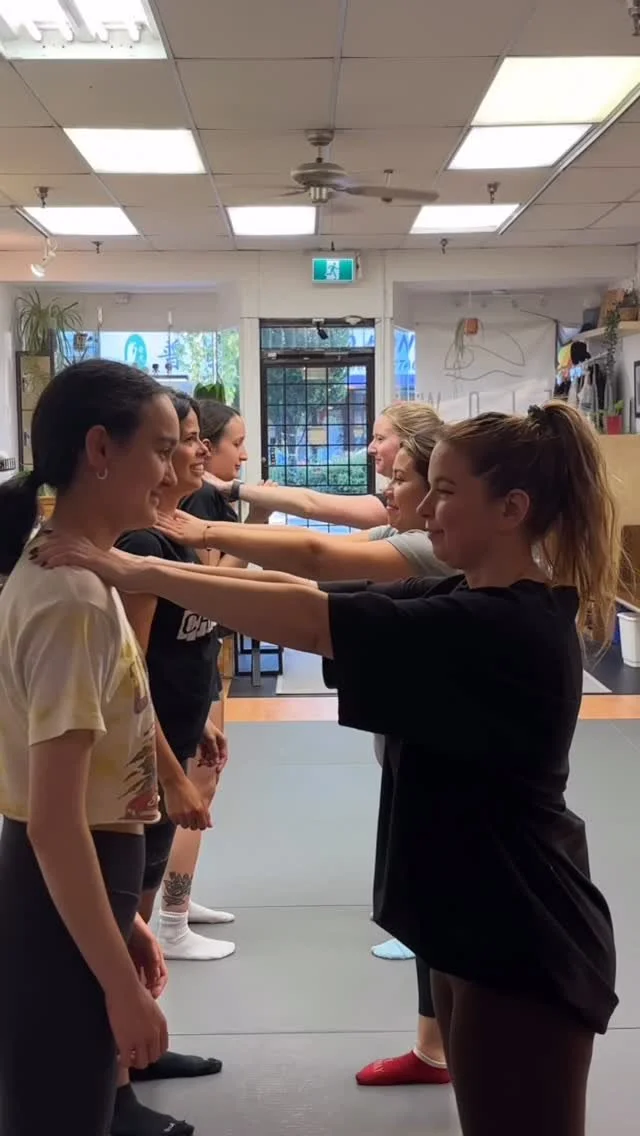
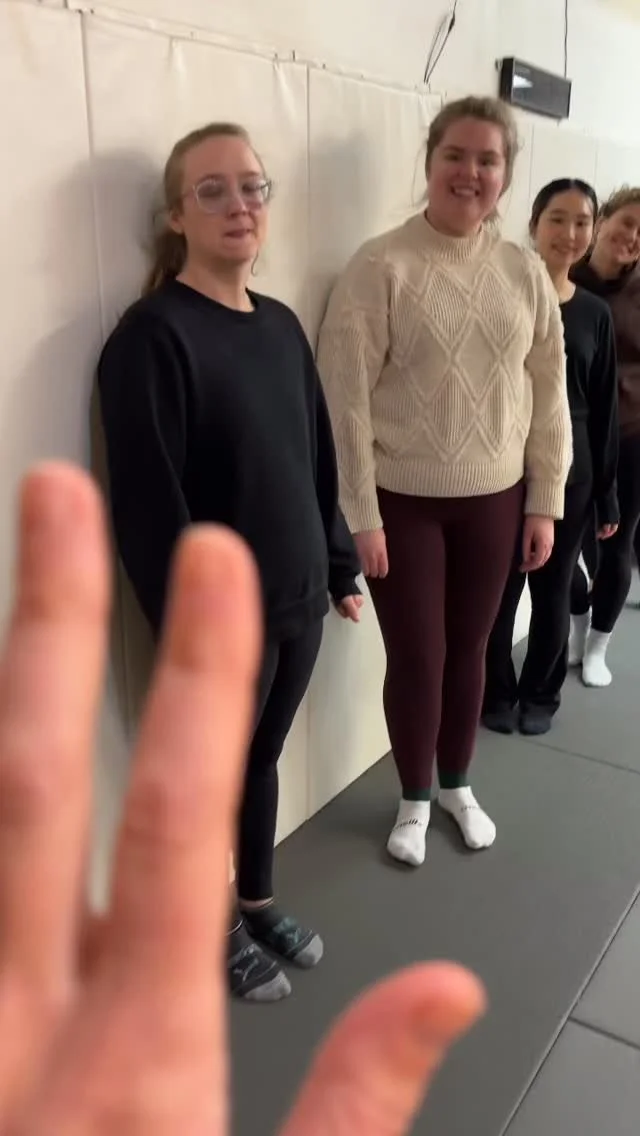
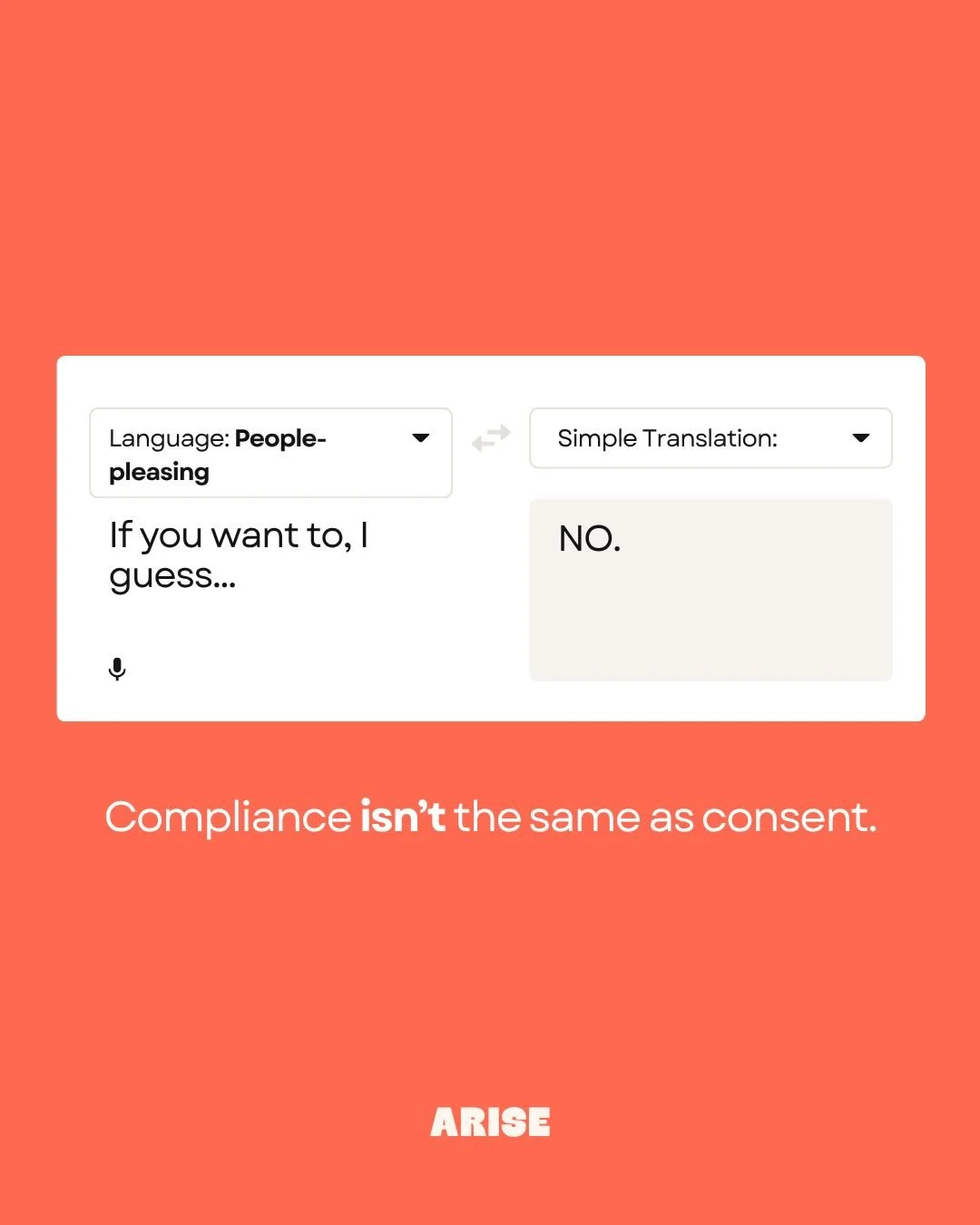
There’s an imaginary line across the room. One end says Strongly Agree. The other says Strongly Disagree. When I read a statement out loud, everyone reflects and walks to where they stand.
Play along as you read this. Picture the line, and notice where your mind wants to go.
“I’d hand over my wallet/phone without a fight.”
Easy. Almost everyone walks straight to Strongly Agree. “Take it. It’s just stuff.”
“I’d fight harder to protect a child than to protect myself.”
Even easier. Nobody hesitates. “Is that even a question?” “Anyone touches my kid and they’re done for!”
“I’d use an object as a weapon if one were within reach.”
Still easy. “Keys, coffee, whatever. Absolutely.”
Then it gets harder.
“I’d step in if I saw someone being harassed on the bus.”
People slow down and drift toward Disagree. “Honestly? Probably not.” “I wouldn’t want to make it worse.” “What if they turn on me?” “I’d like to think I would, but it would really depend on the moment.”
“I’d fight back differently if I knew the person.”
Now people stop walking. “...Yeah. I think I would.” “It’s different when it’s someone you know.” “What if it’s your boss at a party, or your partner?” “I couldn’t hurt someone that I know.”
“Being polite has put me in situations I didn’t want to be in.”
A few uncomfortable laughs. People inch toward Agree. “More times than I want to count.”
“I’d feel guilty if I hurt someone, even in self-defense.”
This one is common for many people. “I don’t want anyone to feel bad.” “Even if they had it coming, I’d still feel awful.”
Where are you standing now? Still easy?
“I would physically hurt someone to protect myself.”
This is where the room spreads out, mostly into the middle of the line. “I mean... it depends?” “I’d hope so?” “I’m not sure I’d know how to.”
Then the last one.
“I’ve already decided I’m worth fighting for.”
And the room gets quiet.
Notice where you hesitated. Hurting someone to protect yourself, fighting back against someone you know, feeling guilty even when you’ve done nothing wrong. None of these are about technique. They’re about permission, about whether you’re allowed to put yourself first. Every hesitation is a small vote against your own safety. The fight is already in you. You just learned to treat your own safety as negotiable, and you haven’t decided yet that you’re worth fighting for.
This post is about closing that gap.
Here’s what I believe after six years of teaching this: technique without intention won’t hold up. You can know every escape I teach, but if you haven’t decided you’re worth protecting, your body is going to wait for a permission slip that isn’t coming.
They’ve already decided
Someone who’s chosen to harm you made that decision before you knew what was happening. Maybe it was opportunistic, maybe it was planned, but either way, they’ve already committed. They want something you have, and they’ll use whatever means it takes to get it.
Meanwhile, most of us are still running on other scripts. Is this really happening? Am I overreacting? Will I look crazy? What if I’m wrong? I don’t want to hurt anyone.
That isn’t a skill gap. It goes much deeper, into our values, societal expectations, and what we were taught about who gets to take up space, whose comfort comes first, and what it means to be “nice” or a good person.
Nobody wants to imagine needing self-defense, but reflecting on these questions now helps us understand ourselves and be better prepared. What’s important is that you make the decision, ahead of time, that you’re worth protecting and that you’ll do what it takes not to be harmed.
What gets in the way
When I ask women what stops them from making that decision, I hear politeness, fear of hurting someone, not wanting to embarrass anyone, and fear of getting it wrong.
One of the statements on that line is “Being polite has put me in situations I didn’t want to be in.”
I have experienced countless moments where I endured discomfort longer than necessary because I felt too awkward to remove myself or say something. Sound familiar?
Here’s the part that makes it harder. Most sexual assaults are committed by someone the person knows: partners, dates, family, friends, coworkers. Not the stranger in the parking lot. So the moment you’d need that decision is often a moment with someone you’d normally be nice to. Someone you don’t want to embarrass. Someone you’ve been taught to keep the peace with.
A policy, not a promise
I want to be really clear about something, because this is where self-defense talk usually goes sideways.
Deciding you’re worth fighting for doesn’t guarantee what your body will do. Freezing during an assault is common and involuntary. It’s a survival response, not a choice. It isn’t consent, and it isn’t a failure. Whatever your body does in a real moment, whether that’s fighting, fleeing, freezing or appeasing, is not a failure of your plan. If you want to understand what your body does under stress and how to work with it, my Nervous System Playbook walks you through it.
There are no guarantees in violence prevention. It’s chaotic. But having thought about it beats pretending it’ll never happen to you.
That’s why I have people write a personal self-defense policy. It isn’t a promise. It’s a starting point: what you’re willing to do, able to do, and unwilling to do, and why. You write it down before you need it.
The first line on the worksheet is this:
If someone intends to harm me, I intend to...
In my personal policy, I wrote that I intend to choose myself. As a recovering people pleaser, I know that’s easier to write than to do.
What I want you to keep
You don’t have to feel worth fighting for to decide you are. The feeling can come later.
And if you’re reading this, you’ve already started. Choosing to sit with these questions, or signing up for a class, is a way of saying you want more for yourself. That counts.
You’d already fight for the people you love without thinking twice. You’re allowed to be on that list too.
Your policy can change. Revisit it after a hard experience, a new relationship, a move, a kid. The point isn’t to have the perfect answer. It’s to have thought about it before you need to.
So finish the sentence, in the comments or just for yourself:
If someone intends to harm me, I intend to...
Arise Self-Defense offers empowerment self-defense programs for women and teens, kids, schools, and workplaces across Metro Vancouver. Our work begins long before any physical technique — with voice, boundaries, and the knowledge that safety starts with you.