Rest as Self-Defense
People often seek self-defense training expecting action.
They think self-defense means fighting, running, speaking up — and yes, oftentimes it does. But what surprises many is when I remind them that self-defense isn’t always loud, fast, or physical.
Sometimes, self-defense looks like rest.
In a culture that glorifies overworking, overgiving, and powering through, rest is rarely seen as strong. But I’d argue it’s one of the most radical, overlooked forms of boundary-setting we have.
This post is about reclaiming energy, boundaries, and prioritizing ourselves. I’m sharing six ways to reframe rest, and why it’s not laziness, weakness, or giving up. It’s self-care, resilience, and an important act of self-protection.

1. Rest Is a Boundary
At its core, self-defense is about recognizing your limits and defending them — with your body, your voice, your energy.
We often talk about physical boundaries. But rest is a time boundary, an energetic boundary, a nervous system boundary.
It’s saying:
“I can’t go to that right now.”
“I need a night to myself.”
“This conversation is too much for me today.”
“I’m pausing before I respond.”
In a world that expects you to be available 24/7 — to work late, reply fast, show up smiling — choosing rest is choosing to protect your peace.
And that’s a self-defense move.
2. Rest Helps You Listen to Your Body
Burnout and hypervigilance dull our ability to sense danger and respond. When you’re constantly running on fumes, you’re more likely to:
Miss red flags
Ignore your intuition
Freeze in moments when you need to act
Rest isn’t about checking out.
It’s about recharging so you can stay connected to yourself.
The more rested you are, the more clearly you can hear your own intuition, your inner “yes” and “no” — which is foundational to setting boundaries, spotting unsafe dynamics, and taking empowered action.
3. Rest Is Regulation
Empowerment Self-Defense (ESD) teaches tools for managing activation — physically, verbally, emotionally. But you can’t do that when your nervous system is fried.
Rest is one of the most powerful ways to regulate your nervous system, especially for those recovering from trauma, chronic stress, or systems of oppression that demand constant output.
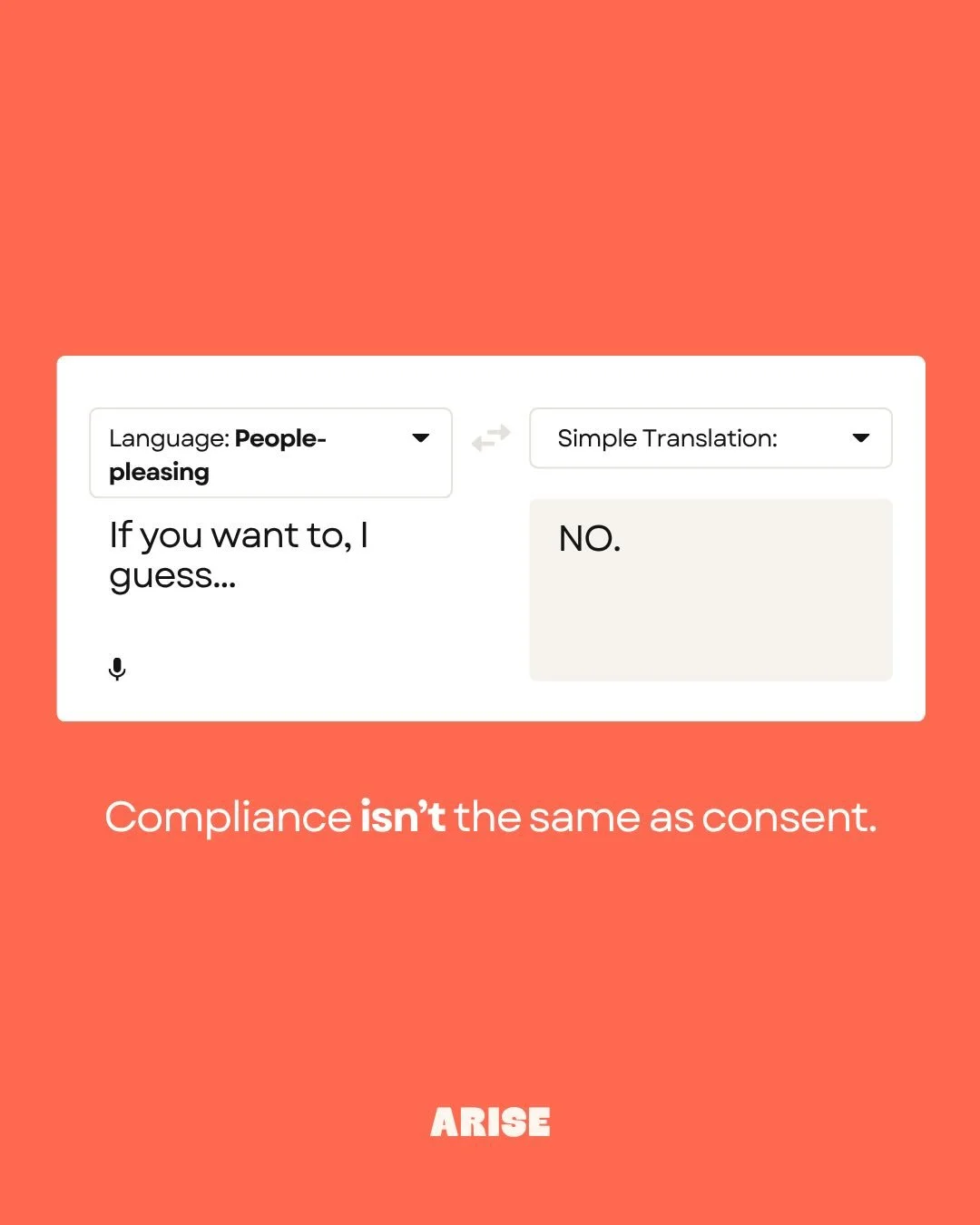
For many of us, especially women and marginalized folks, we’ve been taught that rest is indulgent, lazy, or a reward for productivity.
But rest isn’t a reward, it’s a requirement for resilience.
You don’t have to earn your rest.
You only have to remember that you deserve it.
4. Rest Is a Pattern Interrupt
Sometimes the most powerful self-defense move is not physical at all.
It’s interrupting a pattern.
The pattern of saying yes when you mean to say no
The pattern of staying in fight-or-flight all day
The pattern of rushing through life on autopilot
Rest interrupts those patterns. It gives you space to reflect, recalibrate, and re-enter with more clarity and strength.
It’s not a retreat — it’s a reset.
5. Rest Is Reclamation
Rest is also a way of reclaiming your body from systems that teach you to treat it like a machine. Rest is self-care.
It’s a refusal to:
Burn yourself out to prove your worth
Perform through exhaustion
Always be productive, even in your healing
Rest is not passive. It’s protective. Intentional. Strategic. Empowered.
Especially in community work, stressful jobs, or healing from harm, rest is the fuel that allows us to keep showing up — for ourselves, and for each other.
6. Rest as a Practice
So how do you rest in a world that doesn’t make it easy?
Here are a few practices to try this month:
Cancel something you don’t actually want to do
Turn your phone off for an hour (or even 20 mins), or delete the app during the week
Say, “Let me get back to you,” instead of committing on the spot
Replace the phrase “I’m just being lazy” with “I’m listening to my body”
Make rest part of your boundary language. Speak confidently and say, “I’m not available tonight, I’m taking care of myself.”
What Would It Look Like to Defend Your Right to Rest?
This month, I invite you to consider this:
What do I need to rest from?
What is rest protecting me from?
What could I access, feel, or create on the other side of rest?
Rest is not doing nothing. Rest is doing what your body, heart, and mind actually need.
And that is always worth defending.
Rest as Self-Defense at Arise
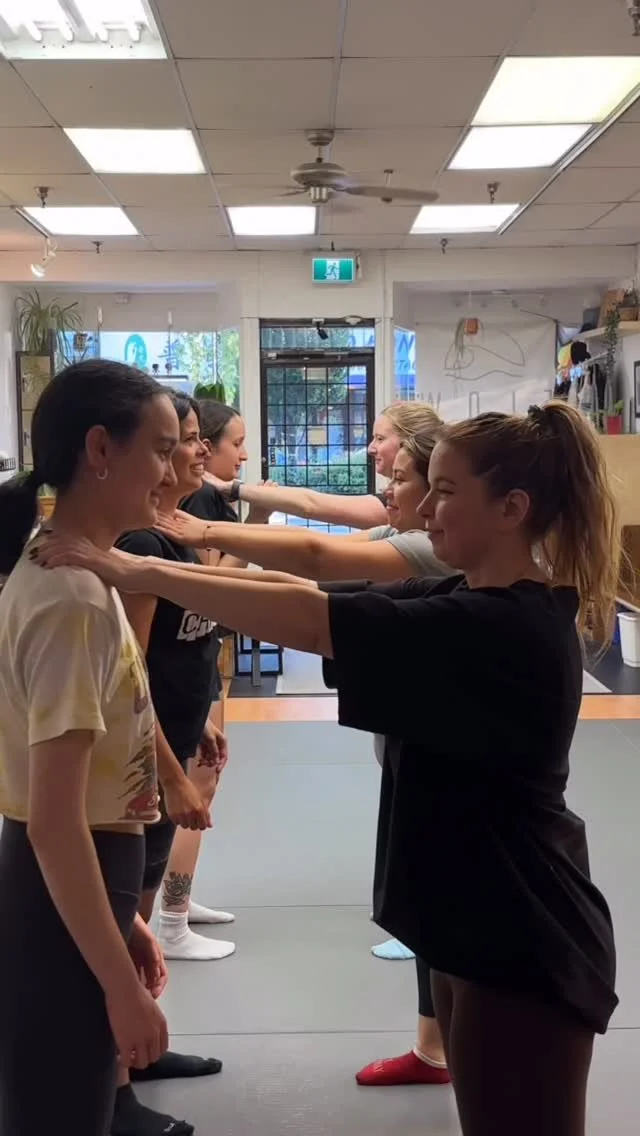
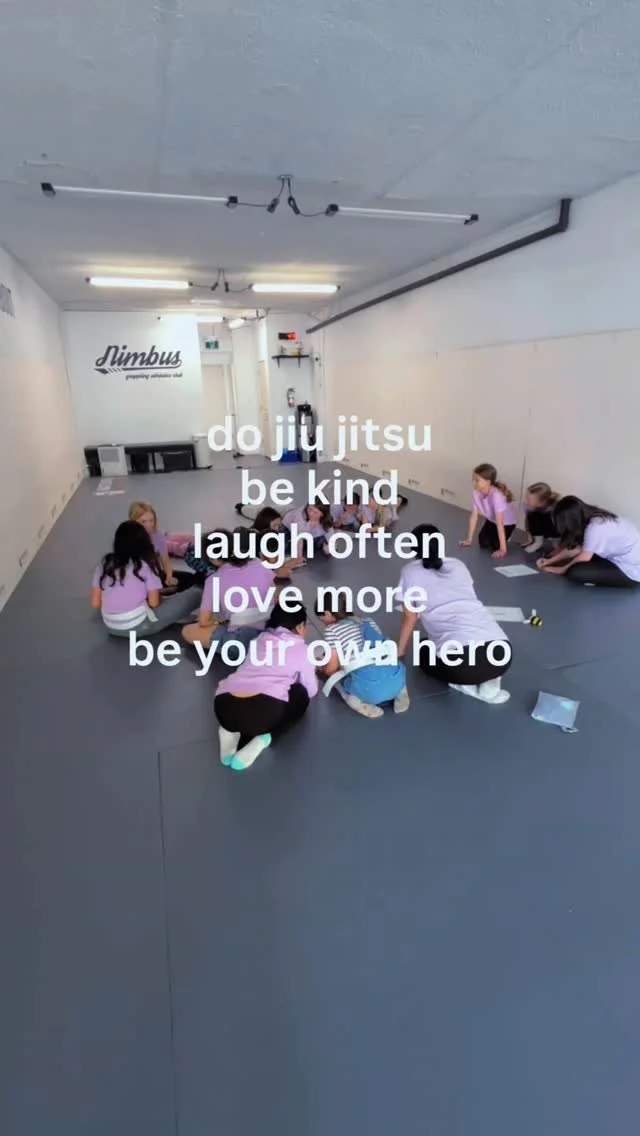
In our classes, we take rest seriously. We don’t push through injury. We pause when needed. We don’t punish stillness — we honour it.
You’re allowed to take a break during class.
You’re allowed to step out and come back in.
You’re allowed to say, “That’s enough for me today.”
Because self-defense isn’t just about how you fight back.
It’s about how you treat yourself every day — especially when no one’s watching.
Want to Go Deeper?
📥 Download our free A–Z of Self-Defense Toolkit
It’s packed with reflection prompts, practical tips, and confidence boosters to help you feel stronger — in your body, your voice, and your choices.
Or join an upcoming class, workshop, or workplace training — where we teach verbal strategies, physical skills, and trauma-informed tools to feel safe, speak clearly, and stand tall.